

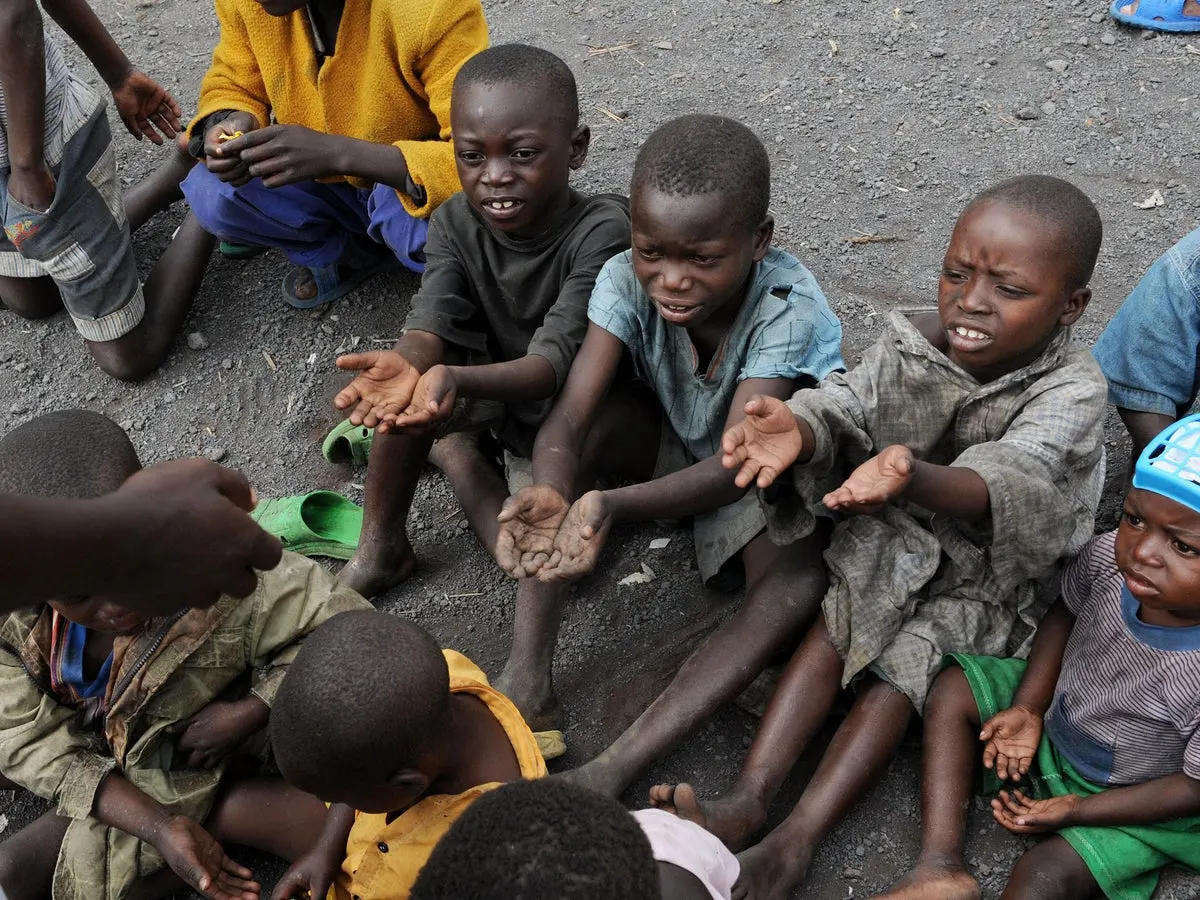
More than 17 million people across northern Nigeria are facing crisis-level food insecurity, according to the United Nations World Food Programme (WFP), which has warned of a worsening humanitarian situation driven by conflict, climate shocks, and economic hardship.
The agency said millions of families are struggling to access enough food as insecurity continues to disrupt farming, displace communities, and limit access to markets across the region. Rising food prices, inflation, and the effects of extreme weather have further reduced households’ ability to meet their basic nutritional needs.
States in the North-East and parts of the North-West remain among the hardest hit, with years of insurgency, banditry, and communal violence forcing millions from their homes. Many displaced families are relying on humanitarian assistance as they face limited livelihood opportunities and declining food stocks.
The WFP warned that children, pregnant women, and nursing mothers are particularly vulnerable to malnutrition, with increasing numbers at risk of severe health complications if urgent assistance is not provided. The agency said continued funding is critical to sustain emergency food distribution, nutrition programmes, and cash assistance for affected communities.
Humanitarian organizations have also expressed concern that reduced international funding could hamper relief operations at a time when needs are growing. They called on donors and development partners to provide additional support to prevent the crisis from deteriorating further.
The Federal Government says it is working with humanitarian agencies, state governments, and development partners to improve food security through agricultural support programmes, emergency relief efforts, and measures aimed at boosting local food production. Authorities have also pledged to strengthen security in farming communities to enable displaced farmers to return to their fields safely.
Food security experts note that addressing the crisis will require more than emergency aid. They argue that long-term solutions, including improved security, investment in agriculture, climate-resilient farming, rural infrastructure, and economic recovery, are essential to reducing vulnerability across northern Nigeria.
The WFP urged swift action to prevent the situation from escalating into a larger humanitarian emergency, warning that delays in assistance could leave millions more at risk of hunger and malnutrition.
As humanitarian agencies continue to scale up operations, the focus remains on ensuring vulnerable families receive lifesaving support while efforts are intensified to address the underlying causes of food insecurity in northern Nigeria.