
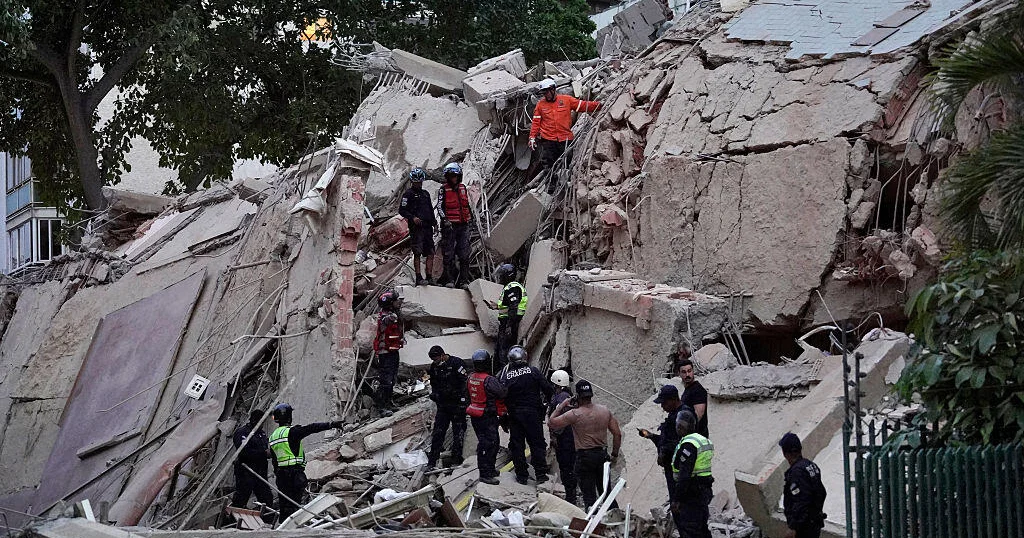
Venezuela’s northern coast has been struck by two powerful earthquakes, causing widespread destruction, disrupting essential services, and prompting emergency response efforts across several coastal communities.
The twin quakes, which occurred within hours of each other, shook buildings in major cities and surrounding towns, sending frightened residents into the streets. Authorities reported damage to homes, schools, hospitals, roads, and public infrastructure, while power outages and communication disruptions affected thousands of people in the hardest-hit areas.
Emergency management officials confirmed that search-and-rescue teams had been deployed to assess damaged structures and assist those trapped beneath collapsed buildings. Hospitals were placed on high alert as medical personnel treated people for injuries ranging from minor cuts to more serious trauma. Officials warned that casualty figures could rise as rescue operations continue.
The earthquakes also triggered landslides in some mountainous areas along the coast, blocking highways and making it difficult for emergency responders to reach isolated communities. Engineers have begun inspecting bridges, ports, and other critical infrastructure to determine the extent of the damage and identify potential safety risks.
President Nicolás Maduro expressed solidarity with affected families and announced the mobilization of military units, civil protection agencies, and emergency services to support rescue and relief operations. The government also urged residents to remain alert for aftershocks and to avoid entering damaged buildings until they have been declared safe.
Seismologists reported that both earthquakes originated offshore along a tectonically active zone in the Caribbean region. Experts cautioned that aftershocks are likely in the coming days and advised residents to follow official safety guidance.
Neighboring countries and international humanitarian organizations have offered assistance as Venezuela begins assessing the scale of the disaster. Relief efforts are expected to focus on providing temporary shelter, food, clean water, medical supplies, and restoring essential services to affected communities.
The disaster has renewed concerns about the vulnerability of coastal areas to seismic activity and the importance of strengthening disaster preparedness and resilient infrastructure. Emergency officials are encouraging residents to remain vigilant and cooperate with evacuation orders where necessary.
As rescue teams continue searching affected areas and authorities evaluate the full impact of the earthquakes, attention will remain focused on providing urgent humanitarian assistance and supporting the recovery of communities devastated by the twin seismic events.