

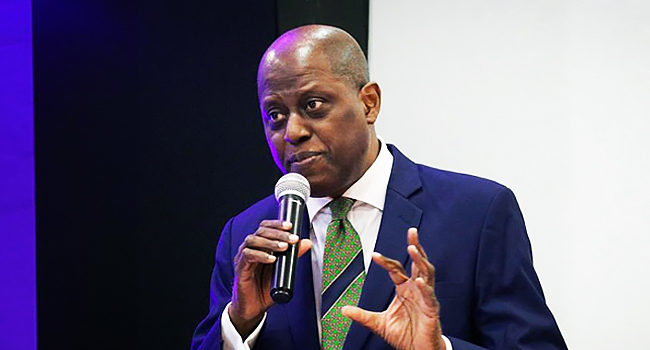
Governor of the Central Bank of Nigeria (CBN), Olayemi Cardoso, has warned against a return to widespread intervention programmes, saying such policies distort the market and weaken long-term economic stability.
Cardoso stated that the apex bank is now focused on restoring confidence in monetary policy, strengthening financial discipline, and allowing market-driven reforms to support sustainable growth.
Speaking on the direction of the economy and the banking sector, the CBN governor stressed that intervention schemes implemented in the past created significant challenges, including inflationary pressures and inefficiencies in credit allocation.
According to him, the current leadership of the apex bank is prioritising transparency, orthodox monetary policy, and investor confidence as part of broader reforms aimed at stabilising the Nigerian economy.
He noted that the bank’s focus remains on its core mandate of maintaining price stability, safeguarding the financial system, and improving foreign exchange market confidence.
Cardoso also emphasised the need for fiscal and monetary authorities to work closely together to address inflation, exchange rate volatility, and broader macroeconomic challenges.
The CBN under his leadership has introduced several reforms in recent months, including efforts to unify the foreign exchange market, clear outstanding FX obligations, and tighten monetary policy in response to rising inflation.
Economic analysts say the governor’s remarks signal a continued shift away from intervention-driven policies toward market-based economic management.
The comments come amid ongoing debates over how best to support businesses, agriculture, and manufacturing sectors while maintaining macroeconomic stability.