

Nigeria’s military is facing renewed public scrutiny following reports surrounding a controversial airstrike in Zamfara State that allegedly killed civilians during an operation targeting armed groups.
Human rights organizations, including Amnesty International, claim that dozens of civilians may have died after bombs reportedly struck a local market area. Witness accounts circulating online described scenes of panic and destruction, with families searching for missing relatives in the aftermath of the attack.
The Nigerian military, however, has strongly disputed claims of civilian casualties.
Military officials insist the operation targeted criminal and terrorist elements operating within the region and stated that there is currently no verified evidence confirming mass civilian deaths.
The incident has reignited national debate over Nigeria’s counterinsurgency strategy and the risks associated with aerial bombardment in conflict-prone communities.
Northern Nigeria continues to face severe insecurity challenges involving banditry, kidnappings, armed militias, and terrorist groups. Air operations have increasingly become a major part of military responses, particularly in difficult terrains where ground offensives face logistical challenges.
However, critics argue that intelligence failures and operational mistakes have repeatedly placed civilian populations at risk.
Human rights groups are now calling for an independent investigation into the Zamfara incident, warning that repeated allegations of civilian harm could further damage public trust in security operations.
Politically, insecurity remains one of the most difficult challenges confronting President Bola Tinubu’s administration. Opposition figures have continued criticizing the government over persistent attacks and kidnappings across multiple regions.
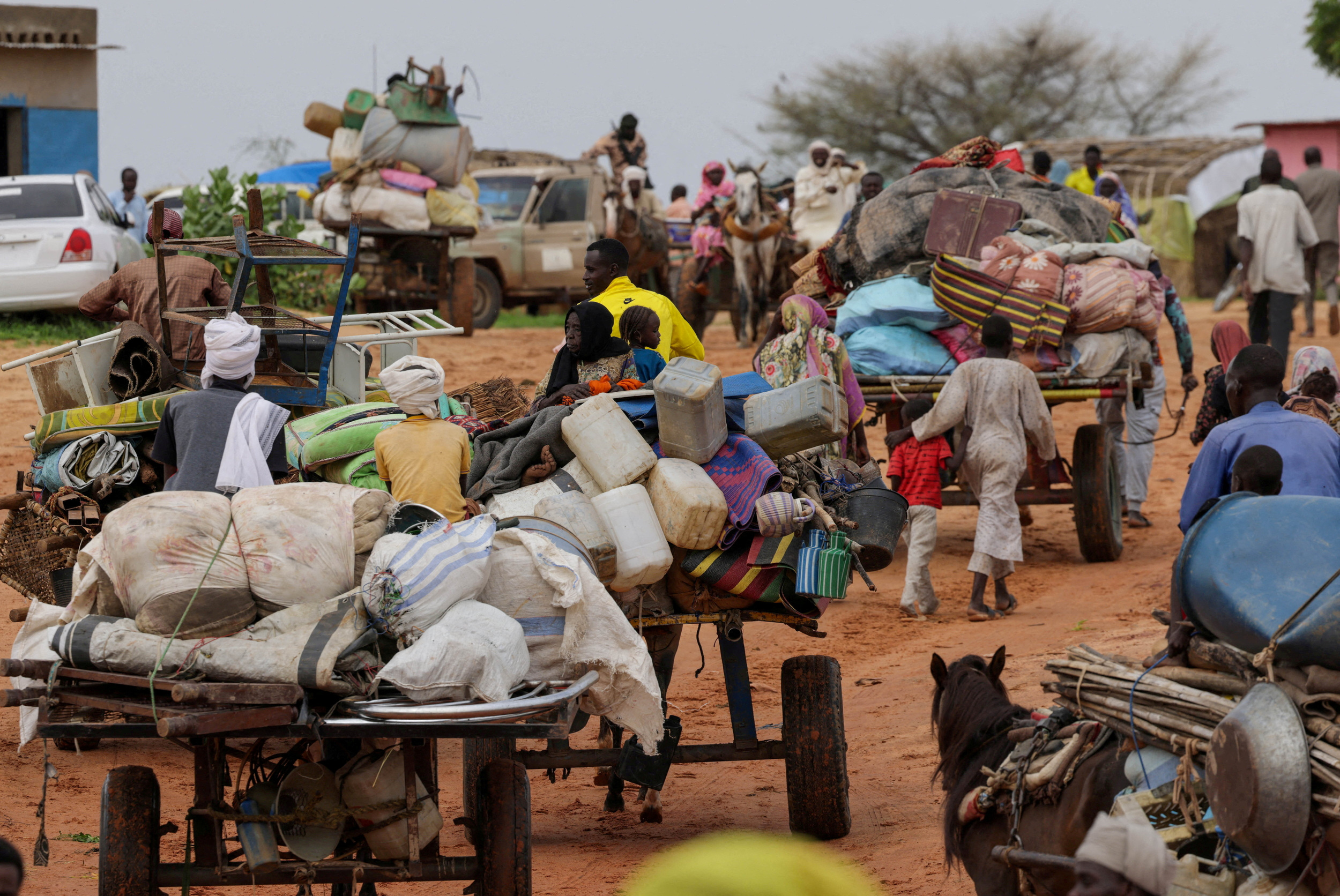
For residents in affected communities, the latest controversy reflects a painful reality: many civilians remain trapped between armed criminal groups and ongoing military operations designed to eliminate them.