
A retaliation strike against Boko Haram has turned into a regional disaster, with bodies missing, boats capsized, and three governments forced to answer hard questions
It started as a military reprisal. It is ending as a tragedy that crosses three African
borders at once.
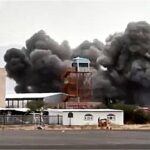
Chadian fighter jets struck two islands on the Nigerian side of Lake Chad over the
weekend, targeting positions held by Boko Haram militants. The strikes were retaliation
for an audacious wave of jihadist attacks on Chadian army bases that killed at least 24
soldiers and two generals just days earlier. By any military measure, Chad’s response
was swift.
By any human measure, it has been devastating.
Abubakar Gamandi Usman, chairman of the Lake Chad Basin Fisheries Association of
Nigeria, told the BBC that more than 40 Nigerian fishermen are now missing and feared
dead — some hit directly in the strikes, others drowned as panicked crews overloaded
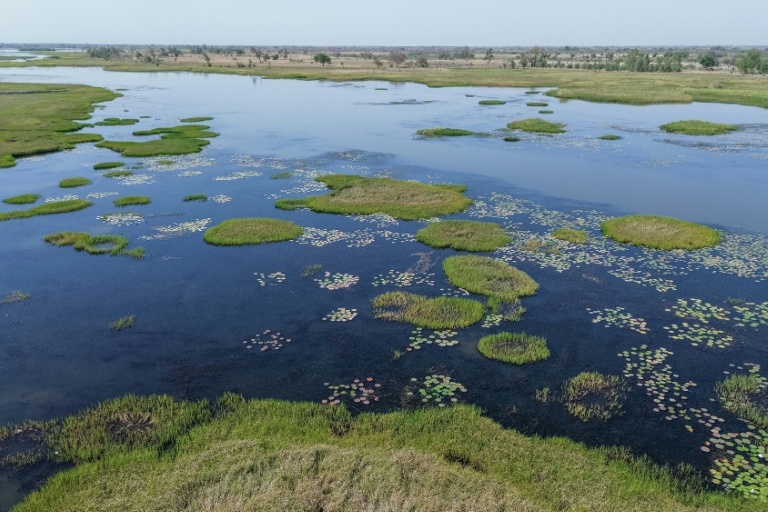
small boats and tried to flee. No bodies have been recovered. The lake’s vast, marshy
geography swallows victims as easily as it shelters the militants the jets came to kill.
Most of the missing were from Doron Baga, a fishing community on the Nigerian shore,
and from Taraba State. Many of them, by their families’ admission, had been paying
Boko Haram “taxes” for access to the fish-rich waters the group controls. That detail —
uncomfortable, complicated, and entirely typical of life around Lake Chad — sits at the
heart of why this strike has hit so hard.
The targeted area was Shuwa Island, a tri-border node where Nigeria, Niger and Chad
meet in the middle of the lake. It has been a known Boko Haram stronghold for years.
Chadian jets have reportedly been bombing islands on the Nigerian side since Friday,
with little public coordination with Abuja. As of Tuesday morning, the Chadian army had
not issued a statement.
The diplomatic fallout is already starting. Nigerian officials have begun pressing Chad
for a full accounting of when, where and what was bombed. Civil-society groups inside
Nigeria are demanding that President Bola Tinubu — who only days ago appointed the
country’s first-ever Special Adviser on Homeland Security — explain how foreign jets
were striking Nigerian territory while his own air force conducted parallel operations.
The Lake Chad Basin Commission, the regional body that is supposed to coordinate
exactly this kind of multinational counter-insurgency, has so far been quiet.
The bigger picture is grim. The Multinational Joint Task Force — Nigeria, Chad, Niger,
Cameroon and Benin — was created to fight Boko Haram and its breakaway ISIS-West
Africa Province together. In recent months that cooperation has frayed. Chad has
accused its neighbors of dropping the ball after a string of cross-border attacks. Nigeria
has bristled at unilateral Chadian operations on its territory. Niger, run since 2023 by a
junta, has its own priorities.
Into that vacuum stepped the jets. And into that vacuum fell the fishermen.
The United States quietly underlined the danger only this month, naming Nigeria and
the Lake Chad Basin as key fronts in its 2026 counterterrorism strategy and warning
that ISIS-West Africa is again expanding. Analysts say what the world is watching now
is exactly the kind of cascade that warning was about: a jihadist offensive triggers a
retaliation strike, the retaliation kills civilians, civilian anger erodes trust in the state, and
the militants harvest new recruits.
For the families in Doron Baga, those geopolitics are not the point. The point is that
fathers, brothers and sons went out to fish at the weekend and have not come home.
The lake has gone quiet. And nobody — not Abuja, not N’Djamena, not Niamey — has
yet told them what happened.