

A landmark agreement between the Central Bank and the telecoms regulator targets SIM-swap scams, payment fraud, and identity theft in one of Africa’s fastest-growing digital economies
Nigeria’s Central Bank and its telecommunications regulator have signed a landmark agreement aimed at combating the country’s surging electronic fraud problem, uniting the financial and telecoms sectors in what officials describe as the most comprehensive anti-fraud coordination effort in the nation’s history.
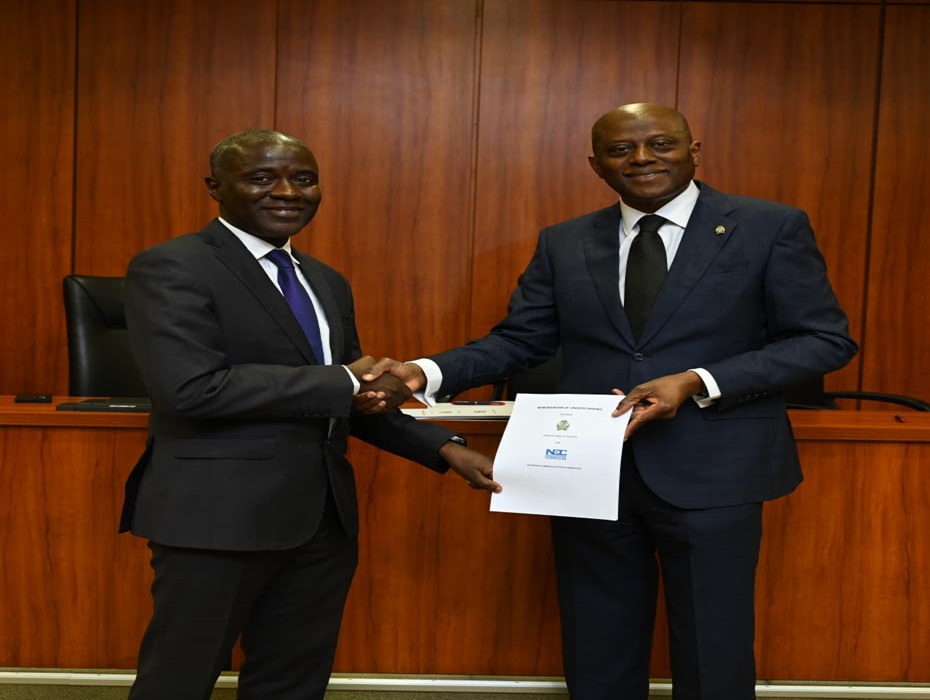
The Memorandum of Understanding between the Central Bank of Nigeria and the Nigerian Communications Commission was signed on Sunday at the CBN’s headquarters in Abuja. Alongside the signing, both agencies inaugurated two joint committees: the Joint Committee on Payment Systems and Consumer Protection, and the Joint Committee on the Telecoms Identity Risk Management System Portal.
The agreement tackles one of the most persistent and rapidly growing threats facing Nigerian consumers. Electronic fraud, driven by SIM-swap scams, phishing attacks, and identity theft, has exploded alongside the country’s digital payments revolution. Nigeria processes billions of dollars in electronic transactions annually, but the gap between the sophistication of digital financial services and the security infrastructure protecting them has left millions of Nigerians vulnerable.
At the heart of the new framework is a system that will give financial institutions real-time visibility into the status of phone numbers used in transactions. Banks will be able to check whether a mobile line has been recently swapped, recycled, or flagged for suspicious activity before processing a transaction. This addresses the SIM-swap attack, where fraudsters convince a mobile operator to transfer a victim’s phone number to a new SIM card, intercepting one-time passwords and draining bank accounts.
NCC Executive Vice Chairman Aminu Maida described the partnership as a necessary response to the convergence of telecommunications and financial services. He noted that with mobile money, USSD banking, and fintech platforms now serving as the primary financial gateway for tens of millions of Nigerians, the security of the telecom network is inseparable from the security of the financial system.
CBN Governor Olayemi Cardoso emphasized that the initiative would help restore public confidence in digital payments, particularly among populations that have been reluctant to adopt electronic transactions due to fraud fears. Nigeria’s financial inclusion targets, which aim to bring tens of millions of unbanked citizens into the formal economy by 2030, depend heavily on trust in digital systems.
The scale of the problem is staggering. According to the Nigeria Inter-Bank Settlement System, reported electronic fraud losses have climbed year over year, with criminals becoming increasingly sophisticated in their methods. Beyond individual losses, the broader economic cost includes reduced consumer confidence, lower transaction volumes, and reputational damage to Nigeria’s fintech sector, which has attracted billions in international investment.
The joint committees will meet quarterly and have the authority to recommend policy changes, mandate new technical standards, and coordinate enforcement actions against bad actors in both the telecom and financial sectors. The TIRMS Portal, in particular, is expected to become a critical piece of national digital infrastructure, creating a shared database that links phone number activity to financial transaction risk signals.
Industry observers have welcomed the move but cautioned that implementation will be the real test. Previous efforts to coordinate between the telecoms and banking sectors have been hampered by bureaucratic silos, data-sharing concerns, and the sheer speed at which fraudsters adapt to new security measures.
For ordinary Nigerians who have watched helplessly as friends and family members lost savings to SIM-swap scams and phishing attacks, the MoU represents a promise. Whether that promise translates into real protection will depend on how quickly and effectively the two agencies can turn their agreement into operational reality.
The timing is significant. As Nigeria continues to position itself as Africa’s leading digital economy, the integrity of its electronic payment systems is not just a consumer protection issue but a matter of national economic strategy. If the CBN-NCC partnership delivers on its ambitions, it could become a model for how developing countries bridge the gap between digital innovation and digital security.