
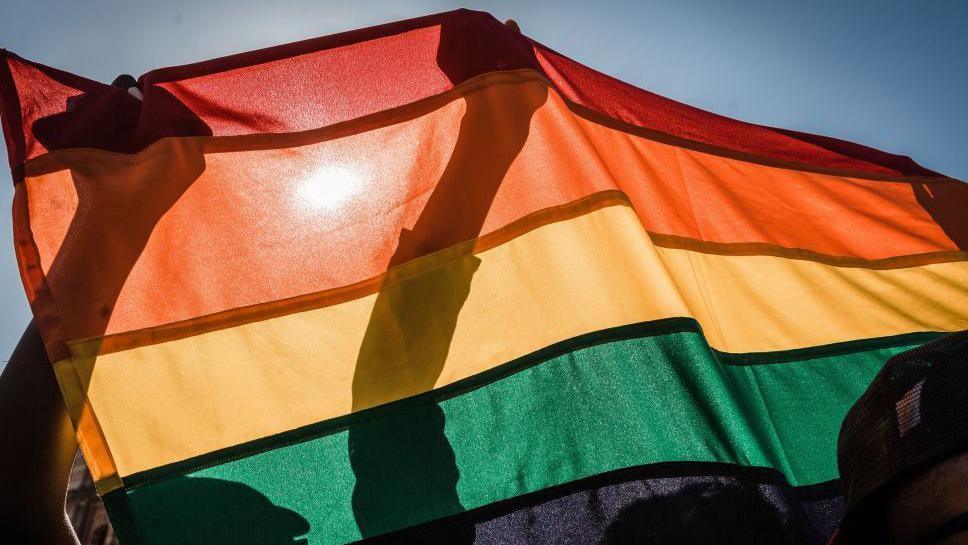
Senegal’s National Assembly has passed legislation doubling the maximum prison sentence for same-sex relations, raising it from five years to ten in a move that deepens the West African country’s crackdown on its LGBTQ community. The bill, which passed by an overwhelming majority on Wednesday, now awaits the signature of President Bassirou Diomaye Faye.
The new law punishes what the penal code describes as “acts against nature” with five to ten years in prison, up from the previous one-to-five-year range. It also introduces criminal penalties of three to seven years for anyone found guilty of promoting or financing same-sex relationships. Fines have been raised sharply, from a previous ceiling of 1.5 million CFA francs to up to 10 million CFA francs (roughly $17,600). If the act involves a minor, the maximum sentence is automatically imposed.
The legislation was a key campaign promise of Prime Minister Ousmane Sonko, who introduced the bill to parliament on February 24 after cabinet approval. Before becoming prime minister in 2024, Sonko had pledged to elevate same-sex relations from a misdemeanour to a more serious criminal offence. Addressing lawmakers, he declared that anyone committing “an act against nature” would face the full weight of the new sentencing framework.
The bill arrives amid a wave of arrests. Since February, when police detained 12 men in Dakar, including two local celebrities and a journalist, dozens of individuals have reportedly been arrested under existing anti-LGBTQ laws. Senegalese media coverage has been intense and often inflammatory, with social media flooded with homophobic messages and calls to publicly identify individuals suspected of same-sex activity. Some outlets have run headlines that rights groups have described as dehumanising.
The arrests have also been conflated in public discourse with a separate child sex abuse case, in which investigators dismantled a gang accused of sexual violence against minors, arresting 14 people. The bill itself addresses both issues, imposing the maximum sentence when acts involve a minor, though critics argue the conflation has been used to generate broader public support for the crackdown.
Repression of same-sex relations carries significant political advantage in Senegal, a Muslim-majority country where homosexuality is widely regarded as deviant. Religious associations have staged demonstrations demanding tougher penalties, and gay-rights advocacy is frequently denounced as a Western imposition of foreign values.
The move places Senegal within a broader continental trend. At least 32 of Africa’s 54 countries criminalise same-sex relations in some form. Uganda’s 2023 Anti-Homosexuality Act permits death sentences for certain offences. Burkina Faso and Mali banned same-sex activity in 2025 and 2024 respectively. Around ten African countries impose sentences ranging from ten years to life, including Sudan, Kenya, Tanzania, and Sierra Leone.
Human Rights Watch has criticised the Senegalese legislation, arguing it violates internationally recognised standards on equality and non-discrimination. International advocacy groups have called on President Faye to withhold his signature, though given the overwhelming parliamentary support and the domestic political climate, that outcome appears unlikely.
One provision in the bill does attempt to address potential misuse: it introduces penalties for individuals who accuse others of same-sex offences without evidence, a nod to concerns about the vigilante culture that has accompanied the crackdown. Whether that clause provides meaningful protection in practice remains to be seen.