

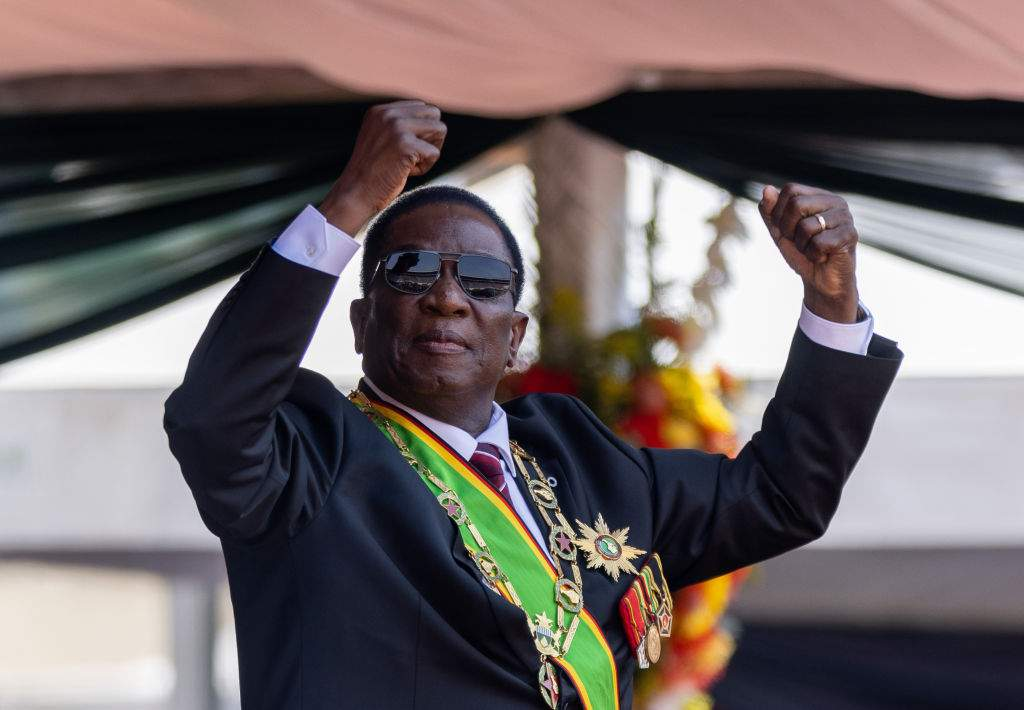
Draft legislation would scrap direct presidential elections and extend terms from five to seven years
Zimbabwe’s cabinet has approved sweeping constitutional amendments that would allow President Emmerson Mnangagwa, 83, to remain in power until at least 2030. The draft legislation, presented to cabinet on Tuesday, would extend presidential terms from five years to seven and replace direct popular elections with a parliamentary vote to choose the head of state.
Under the current constitution, adopted in 2013, Mnangagwa is required to step down in 2028 after serving two five-year terms. The proposed changes would effectively reset the clock. Additional provisions would allow the president to appoint 10 more senators, abolish several oversight commissions, and transfer voter registration away from the Zimbabwe Electoral Commission.
A cabinet statement said the amendments would “enhance political stability and policy continuity.” Justice Minister Ziyambi Ziyambi said the bill would undergo review by the attorney general before being introduced to parliament, where ZANU-PF holds a commanding two-thirds majority in both houses—enough to push through constitutional changes without opposition support.
Opposition figures and legal scholars have fiercely condemned the move. They insist any amendment extending an incumbent’s tenure must be put to a national referendum—something the ruling party is likely to resist. Rights lawyer Paida Saurombe called it “a sad day for Zimbabwe,” warning that “the foundation of the nation is under attack by those who should protect it.” Attempts to protest the plan have been met with a police crackdown that has put scores of people in jail.
Mnangagwa came to power in 2017 following a military-backed coup that ousted Robert Mugabe. He arrived with promises of democratic reform, but has been accused of presiding over corruption, human rights abuses, and economic decline. The bill now moves to parliament, where its passage appears all but certain. Whether a referendum will ultimately be required remains the key legal and political battleground ahead.