

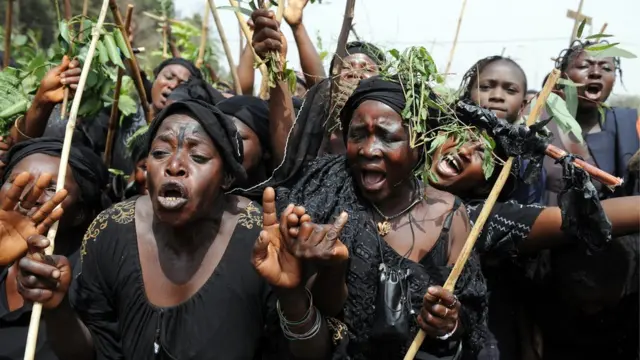
In Nigeria’s Middle Belt, violence is tragically familiar. But every so often, the timing of attacks forces a harder question: are some of these killings deliberately aligned with moments of Christian worship?
The recent killings in Jos where gunmen attacked communities in Plateau State, leaving at least 20 people dead in March 2026 fit into a long and complex history of violence in the region. Unlike insurgent strongholds in the northeast, Jos sits at a volatile intersection of identity, where disputes over land, ethnicity, and political “indigene” rights often overlap with religious divisions.
Yet when placed alongside other attacks across Nigeria, a troubling pattern emerges one that extends beyond Jos.
A Timeline of Bloodshed Around Christian Celebrations
Nigeria has witnessed multiple high-profile attacks targeting Christians during major religious observances:
- Christmas Day 2011 (Jos and beyond): Coordinated bombings and shootings struck churches across the country, including Jos, killing worshippers. Boko Haram claimed responsibility for the broader attacks.
- Easter Sunday 2012 (Kaduna): A car bomb near churches killed dozens attending Easter services.
- Pentecost Sunday 2022 (Owo, Ondo State): Gunmen opened fire inside a church, killing over 40 people in one of the deadliest single attacks on worshippers in recent years. Authorities linked the attack to ISWAP.
- Christmas Eve 2023 (Plateau State): Coordinated village attacks left nearly 200 dead in predominantly Christian communities.
These incidents suggest that attackers—whether insurgents or armed militias sometimes exploit the symbolic and practical vulnerabilities of religious gatherings.
Jos: Part of the Pattern, or Something Different?
The violence in Jos and surrounding Plateau communities does not always follow this holiday pattern. Many attacks occur outside religious seasons and are widely attributed to long-standing conflicts over land use, grazing routes, and political marginalization.
However, the overlap between identity and religion means that even conflicts rooted in economics or ethnicity can take on a religious dimension. In predominantly Christian rural areas, attacks are often perceived—and experienced—as targeting faith communities, especially when they occur near Christmas or other holy periods.
Timing, Tactics, and Message
Security analysts note two key dynamics:
- Symbolism: Attacking during Easter, Christmas, or Pentecost amplifies fear and media impact.
- Opportunity: Large gatherings in churches create soft targets with minimal protection.
At the same time, broader data shows that violence against civilians in Nigeria has risen overall, with attacks on Christians forming part of a wider escalation rather than an isolated trend.
A Fragile Future
The killings in Jos are not an anomaly but neither are they entirely explained by a single narrative of religious persecution. They sit at the intersection of deeper structural tensions and opportunistic violence that sometimes peaks during sacred moments.
Understanding that distinction matters. Because without addressing both the root causes in Plateau and the pattern of holiday-targeted attacks nationwide, Nigeria risks remaining trapped in a cycle where even its most sacred days are shadowed by fear