

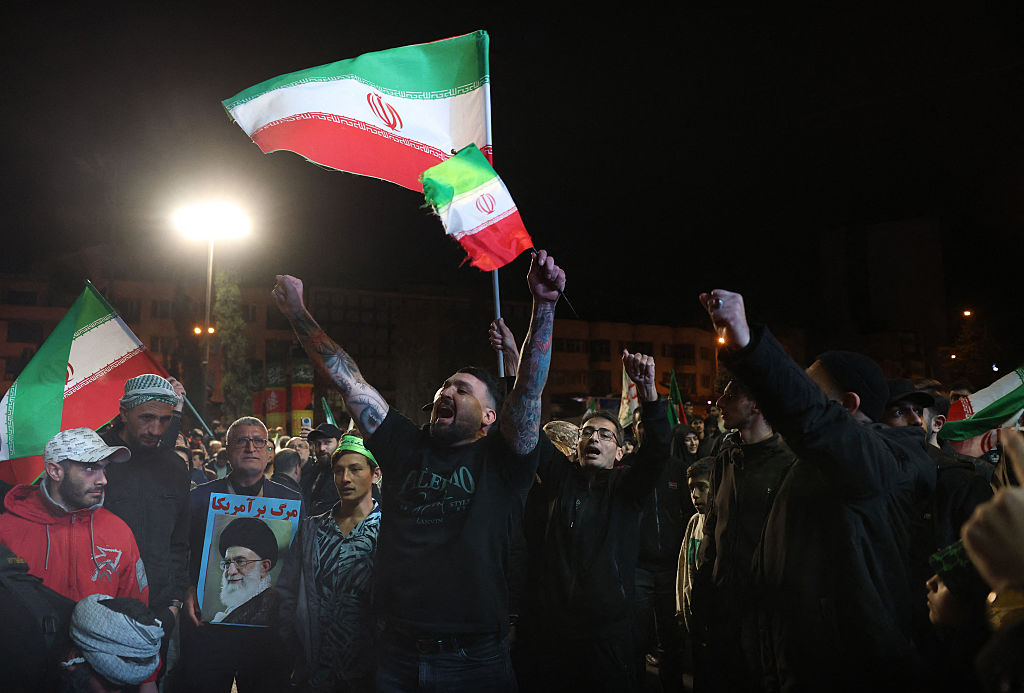
Markets surge and oil prices plunge after last-minute deal averts Trump’s threatened devastation of Iran.
The United States and Iran reached a dramatic two-week ceasefire agreement on Tuesday, barely an hour before President Donald Trump’s deadline to unleash what he called devastating attacks on Iran was set to expire. The deal requires Tehran to temporarily reopen the strategically vital Strait of Hormuz, a chokepoint through which roughly a fifth of the world’s oil supply passes.
The agreement came after weeks of escalating tensions that had rattled global markets and sent oil prices soaring past $117 per barrel. Under the terms, Iran will permit safe passage of marine traffic through the strait, with vessels coordinating with Iranian armed forces for transit.
Pakistan’s Prime Minister Shehbaz Sharif played a pivotal role in brokering the deal, and has invited delegations from both nations to Islamabad on Friday, April 10th, for formal peace negotiations. Vice President JD Vance is expected to lead the U.S. delegation to the talks.
Iran’s Supreme National Security Council confirmed in a statement that the negotiation period can be extended if both sides agree, signaling potential flexibility in what has been an otherwise rigid standoff. Iranian Foreign Minister Abbas Araghchi stated that passage through the strait would be coordinated with due consideration of technical limitations.
The ceasefire announcement sent shockwaves through financial markets. U.S. crude oil plunged 8 percent, falling to around $103 per barrel from a high of $117 earlier in the session. S&P 500 futures surged more than 2 percent, Nasdaq 100 futures soared 1.8 percent, and Dow futures jumped 725 points. By Tuesday evening, the international oil benchmark had fallen 13 percent overall.
However, significant obstacles remain. Iran has put forward an ambitious 10-point peace proposal that includes demands for the United States to withdraw combat forces from the region, lift all sanctions, permit uranium enrichment, compensate Iran for war damages, and allow it to maintain sovereignty over the Strait of Hormuz. The proposal also calls for a ceasefire in Lebanon, where Israel has been engaged in conflict with the Iran-aligned Hezbollah.
Analysts are cautiously optimistic but warn that the gap between the two sides remains enormous. The 10-point plan represents Iran’s opening position, and Washington has given no indication it would accept most of those terms. The two-week window, while providing breathing room, may not be sufficient to bridge such fundamental differences.
The humanitarian toll of the conflict has been mounting. Before the ceasefire, Trump had issued an extraordinary threat on social media, warning that if Iran did not comply with his demands, the consequences would be catastrophic. Pakistan’s urgent diplomacy and the mounting global economic pressure appear to have helped create the narrow opening for dialogue.
For global energy markets, the temporary reopening of the Strait of Hormuz provides immediate relief. But traders remain cautious, noting that a two-week window is far too short to resolve the underlying conflict. If talks collapse, the world could quickly find itself back at the brink.
The coming days in Islamabad will be closely watched by governments and markets around the world. The stakes extend far beyond the two nations at the table, touching every country that depends on Middle Eastern energy supplies and the stability of the global economy.