
U.S. President Donald Trump has announced the reinstatement of a naval blockade targeting Iran and unveiled plans to impose charges on commercial vessels transiting the Strait of Hormuz, a move that has sharply escalated tensions in one of the world’s most strategically important maritime corridors.
The new measures, which take effect on Tuesday, authorize the U.S. military to enforce a blockade on ships traveling to and from Iranian ports while allowing vessels destined for other countries to continue using the Strait of Hormuz. The Trump administration says the policy is aimed at protecting freedom of navigation following renewed attacks linked to Iran and recent disruptions to commercial shipping.
Trump also announced that cargo vessels using the waterway would face a new transit charge, describing the fee as compensation for U.S. naval protection of one of the world’s busiest energy routes. The administration argues that the United States is bearing the burden of securing international shipping lanes amid growing regional instability.
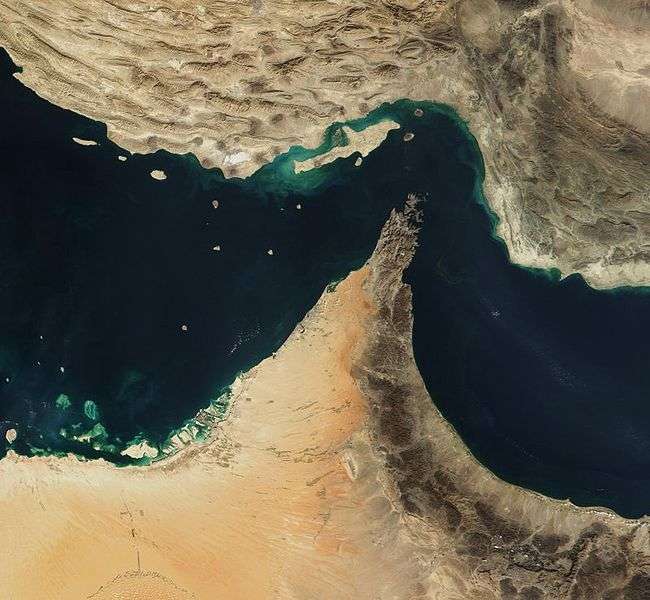
The Strait of Hormuz carries roughly a fifth of the world’s oil supplies and a significant share of global liquefied natural gas exports. Any disruption to traffic through the narrow waterway has immediate implications for global energy markets, with oil prices already rising amid concerns that the renewed confrontation could threaten supplies.
Iran has strongly rejected the U.S. announcement, insisting it retains the right to regulate maritime transit in the area and opposing any foreign-imposed charges. Tehran has previously argued that vessels passing through the strait should pay transit fees, a position that Washington has consistently opposed.
The announcement comes amid a fresh wave of military escalation between Washington and Tehran. U.S. forces have carried out new strikes against Iranian targets following attacks attributed to Iran’s Revolutionary Guard Corps, while Iran has retaliated with strikes against U.S. allies and commercial shipping in the Gulf, raising fears that the conflict could expand further.
Regional governments and global shipping operators are closely monitoring developments, with analysts warning that prolonged instability around the Strait of Hormuz could increase shipping costs, disrupt energy exports and further strain the global economy. International calls for restraint have intensified as diplomatic efforts struggle to prevent a wider regional conflict.