
As US-Israeli strikes enter their fourth week, a diplomatic rift emerges over whether peace talks are even happening
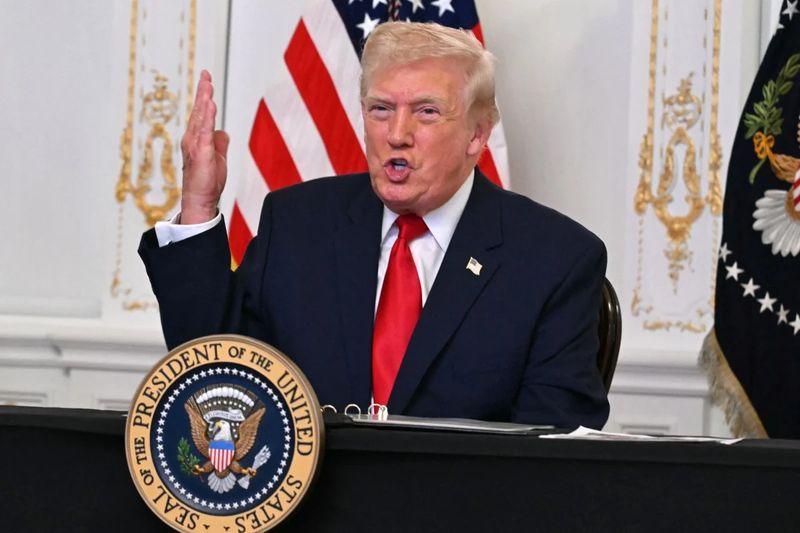
The US-Israeli military campaign against Iran entered its 24th day on Monday with no end in sight, even as President Donald Trump insisted that behind-the-scenes diplomacy was making progress. In a Truth Social post early Monday morning, Trump declared that the United States and Iran had engaged in ‘very good and productive conversations’ aimed at achieving ‘a complete and total resolution of our hostilities in the Middle East.’
Tehran immediately rejected the claim. Iranian officials stated categorically that no negotiations or discussions with the United States had taken place since the war began on March 1. The diplomatic contradiction has left the international community guessing about whether genuine back-channel efforts exist or whether the White House is attempting to shape the narrative around a conflict that has drawn widespread criticism.
The military reality on the ground tells a grimmer story. On Sunday, the Israeli military launched what observers described as an unprecedented second round of strikes on infrastructure targets in Tehran, with explosions rocking the eastern side of the Iranian capital. The scale and intensity of the bombardment surpassed anything seen in the first three weeks of the campaign.
Meanwhile, Iran retaliated by firing missiles at two cities in southern Israel, targeting areas near the country’s main nuclear research facilities. The tit-for-tat escalation has raised fears of a broader regional conflagration, particularly after Iran warned it could completely close the Strait of Hormuz if its power plants were struck. Trump responded by giving Tehran 48 hours to reopen the critical shipping lane, through which roughly 20 percent of the world’s oil supply passes.
The humanitarian toll continues to mount. According to the US-based Human Rights Activists News Agency (HRANA), at least 1,047 Iranian civilians, including 214 children, have been killed since the campaign began. Israeli strikes in Lebanon, which expanded as part of the broader operation, have killed at least 1,039 people, including 118 children. Israel itself has suffered casualties from Iranian missile barrages, though official numbers remain tightly controlled.
The economic fallout is reverberating across global markets. Stocks in China and Hong Kong recorded their worst single-day losses in nearly a year as investors priced in the growing risk of a prolonged Middle East war. Oil futures spiked on the Hormuz closure threat, and analysts warn that sustained conflict could trigger energy prices not seen since the 1970s oil crisis. The International Energy Agency said last week that a full-blown energy crunch from the Iran war could be worse than both the 1970s crisis and the impact of the Ukraine war combined.
Trump’s decision to postpone strikes on Iranian energy infrastructure for five days has been interpreted by some analysts as a potential opening for diplomacy. Treasury Secretary Bessent, who has been trending on social media in connection with economic policy discussions, is reportedly advocating for a de-escalation path that protects oil markets. Others see it as a tactical pause rather than a genuine peace overture.
The conflict shows no signs of abating. Israel’s military ordered its troops to destroy all crossings over the Litani River in southern Lebanon and step up demolition of homes near the southern border, signaling a long-term ground presence. A strike on a main bridge linking southern Lebanon to the rest of the country further isolated communities in the south. For millions watching the crisis unfold on social media, the gap between Trump’s optimistic framing and Iran’s flat denial has become a story in itself. The question dominating feeds across X and TikTok is simple: is anyone actually talking, or is the world watching two sides narrate entirely different wars?