
The Federal Government borrowed about ₦24.7 trillion from domestic investors in eight months, representing a 90.5 per cent increase compared with the corresponding period, according to figures from the Debt Management Office.
The sharp rise highlights the government’s growing reliance on the domestic debt market to finance its spending and cover budgetary needs amid persistent fiscal pressures.
The borrowing was largely raised through government securities, including Federal Government of Nigeria bonds, Treasury bills and other debt instruments sold to investors in the local market.
Domestic borrowing has become an increasingly important source of government financing as authorities seek to fund infrastructure, public services and other expenditures while managing revenue shortfalls.
However, the increase has also raised concerns about the cost of government borrowing and its potential impact on the wider economy. Heavy government demand for funds can put pressure on interest rates and leave less financing available to private businesses, a phenomenon economists often describe as crowding out.
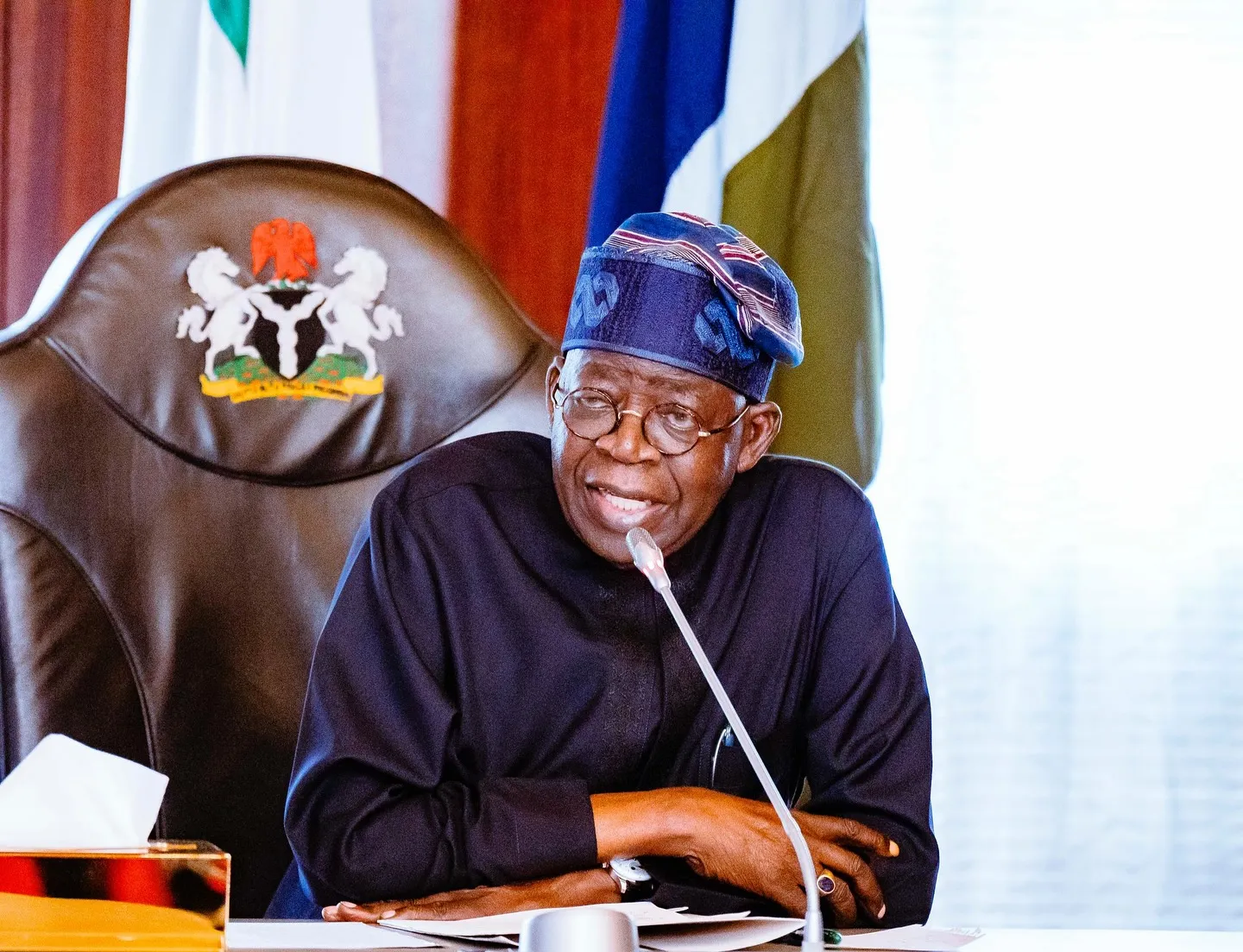
The development comes as the administration of President Bola Tinubu continues to implement economic reforms aimed at increasing government revenue and stabilising public finances.
Since taking office in 2023, Tinubu’s government has introduced major changes, including the removal of the petrol subsidy and reforms to the foreign-exchange market. While the measures are intended to improve fiscal sustainability over the long term, they have also contributed to significant economic pressures on households and businesses.
The latest borrowing figures underline the challenge facing the government: balancing the need to finance development and public spending with the need to keep debt and debt-servicing costs under control.
Nigeria already spends a substantial share of government revenue on servicing its debt. Rising domestic borrowing could increase that burden if interest rates remain elevated.
Analysts are therefore expected to closely monitor the government’s borrowing pattern, particularly as it seeks to finance future budgets and meet its development commitments.
For the Tinubu administration, the surge in domestic borrowing underscores the urgency of expanding revenue collection while creating conditions for stronger economic growth.
The government’s ability to translate borrowed funds into productive investment and improved public services will be central to determining whether the increased borrowing delivers long-term economic benefits or adds further pressure to Nigeria’s already strained public finances.