

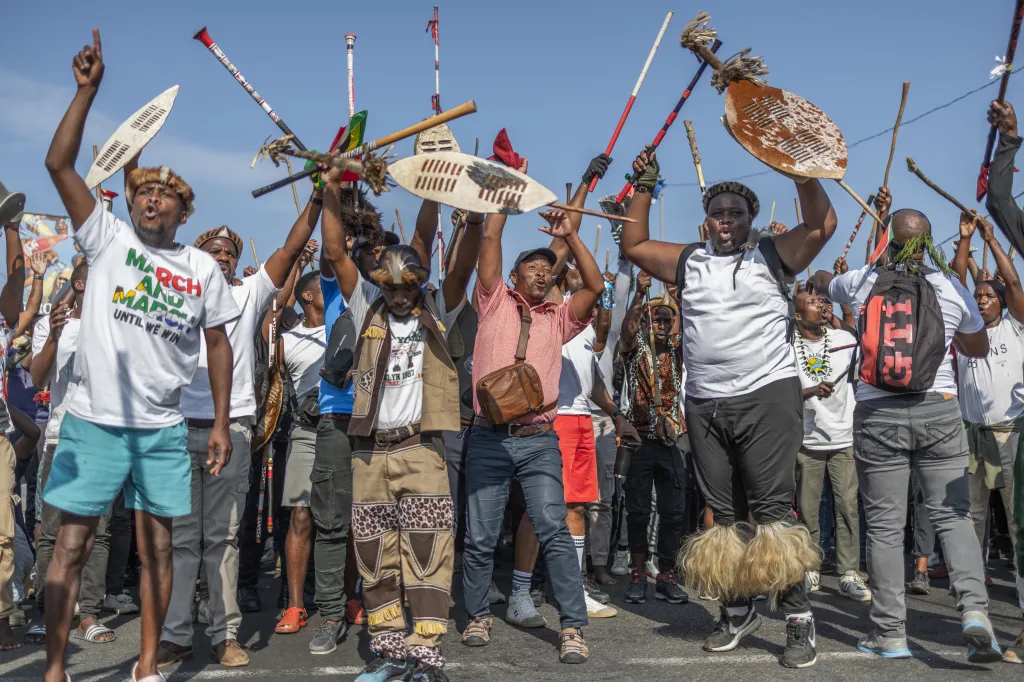
South Africa is on high alert as tensions mount ahead of a June 30 deadline set by anti-migrant groups demanding the removal of undocumented foreign nationals from communities across the country.
The ultimatum, issued by organizations campaigning against illegal immigration, has sparked fears of renewed violence and xenophobic attacks similar to those that have erupted periodically in South Africa over the past two decades. Community leaders, civil society organizations, and foreign embassies have urged calm while calling on authorities to prevent any breakdown of law and order.
Security agencies have increased patrols in several provinces, particularly in areas that have previously experienced unrest targeting foreign-owned businesses and migrant communities. Police officials say they are prepared to respond swiftly to any acts of violence or intimidation and have warned that anyone inciting or participating in criminal activity will face prosecution.
The South African government has condemned threats against migrants, stressing that while immigration laws must be enforced, no individual or group has the right to take the law into their own hands. Officials have reiterated that law enforcement agencies remain responsible for addressing issues related to undocumented migration through legal processes.
Many migrants, including Nigerians, Zimbabweans, Somalis, Ethiopians, and other African nationals living in South Africa, have expressed growing anxiety as the deadline approaches. Some business owners have reportedly reduced operating hours or temporarily closed their shops, fearing possible attacks on their properties.
The issue of immigration remains politically sensitive in South Africa, where high unemployment, poverty, and economic inequality have fueled frustration among sections of the population. Some community groups argue that undocumented migration places additional pressure on jobs, housing, healthcare, and public services. However, analysts caution that migrants are often unfairly blamed for broader socioeconomic challenges.
Human rights organizations have urged the government to protect all residents, regardless of nationality, and to ensure that immigration enforcement is carried out in accordance with the law and international human rights standards. They also warned that hate speech and misinformation could further inflame tensions if left unchecked.
Regional governments and diplomatic missions are closely monitoring the situation, with several embassies advising their citizens to remain vigilant and avoid areas where protests or demonstrations may occur.
As June 30 draws closer, many South Africans are hoping that heightened security measures and dialogue between authorities and community leaders will help prevent violence. The coming days are expected to be critical as the government seeks to balance immigration enforcement with the need to protect lives, maintain public order, and preserve social cohesion.