

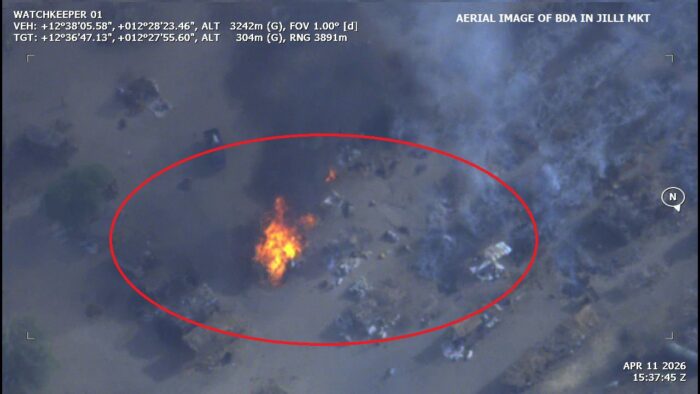
Nigeria is reeling from one of its deadliest military incidents in years after a Nigerian Air Force airstrike targeting Boko Haram insurgents struck a packed civilian market in Jilli, along the Borno-Yobe state border, killing what witnesses and human rights organizations estimate to be over 100 people, including children.
The strike, which occurred on Saturday, April 11, has triggered a firestorm of domestic and international outrage. Amnesty International condemned the attack in the strongest terms, describing it as evidence of the Nigerian military’s disregard for civilian lives. The organization cited survivor accounts saying three military jets fired on the Jilli weekly market during peak trading hours.
Casualty figures remain disputed and deeply concerning. A local chief, Lawan Zanna Nur, told reporters that the combined number of dead and injured was around 200. A United Nations conflict monitoring report estimated at least 56 people were killed, while Amnesty International placed the death toll above 100. Some accounts from local sources and international media have cited figures as high as 200 fatalities.
The Nigerian Air Force initially issued a statement claiming a successful strike on a ‘terrorist enclave and logistics hub,’ saying it had killed scores of militants on motorcycles. The military made no immediate reference to hitting a civilian market.
However, as evidence of civilian casualties mounted, President Bola Tinubu convened an emergency closed-door meeting at the Presidential Villa in Abuja on Monday with the nation’s top security brass. The session was attended by the Chief of Defence Staff, General Olufemi Oluyede, all three service chiefs, the Inspector-General of Police Tunji Disu, intelligence agency directors, and National Security Adviser Nuhu Ribadu.
In a controversial move, the Presidency defended the operation, stating that the Jilli market had become ‘a legitimate military target’ after being turned into a logistics and trading hub by Boko Haram and ISWAP terrorists. Borno State Governor Babagana Zulum appeared to back this characterization, saying the government had closed the Jilli market five years ago and warning residents against aiding insurgents.
The defense has done little to calm public anger. Amnesty International’s Isa Sanusi called the use of airstrikes in such circumstances unlawful, stating that launching air raids is not a legitimate law enforcement method. The organization demanded an immediate, impartial investigation and accountability for those responsible.
This is not the first time the Nigerian military has been accused of killing civilians in airstrikes meant for insurgents. According to a tally by the Associated Press, at least 500 civilians have died since 2017 in similar incidents, a pattern that critics say reflects systemic intelligence failures and a culture of impunity.
The Nigerian Air Force has activated its Civilian Harm Accident and Investigation Cell (CHAI-Cell) to conduct a fact-finding mission. But survivors and families of the victims are skeptical, pointing to a long history of military investigations that have produced no meaningful consequences. The Jilli tragedy has once again thrust Nigeria’s counterinsurgency strategy into the spotlight. After more than 15 years of conflict with Boko Haram and its offshoots, communities in the northeast remain caught between militants and the military. The question of how to defeat the insurgency without destroying the very people the army claims to protect has never been more urgent