

The world woke up Thursday to oil prices above $110 a barrel, global stock markets in freefall, and a Middle East conflict that shows no sign of slowing down. The Iran-Israel-US war, now entering its 19th day, has gone from targeted military strikes to an all-out assault on the region’s energy infrastructure, and the consequences are being felt from gas pumps in Houston to trading floors in Tokyo.
On Wednesday, Israeli forces struck South Pars, the world’s largest natural gas reserve, in a coordinated operation with the United States. It was the first time Iran’s upstream oil and gas infrastructure had been directly targeted since the conflict began on February 28. Brent crude immediately spiked more than 5 percent, crossing the $110 threshold that economists have warned could trigger a global recession if sustained.
The strike prompted Iranian retaliation against Gulf state energy facilities. Tehran had already published a list of targets it planned to hit, including Saudi Arabia’s Samref refinery, the Jubail petrochemical complex, and the Al Hosn gas field in the UAE. A fire at Qatar’s Ras Laffan LNG hub, one of the largest liquefied natural gas facilities in the world, was contained Thursday morning after an Iranian missile attack.
The diplomatic response has been swift. Saudi Arabia’s Foreign Minister Prince Faisal bin Farhan declared that the kingdom has “reserved the right to take military actions” against Iran. Foreign ministers from 12 Arab and Islamic nations met in an emergency session and called on Iran to “immediately halt its attacks and respect international law.” Meanwhile, President Trump threatened to “massively blow up” South Pars if Iran continued attacking Gulf states.
Financial markets are in turmoil. Asian benchmarks fell sharply on Thursday, with Japan’s Nikkei 225 sinking 2.7 percent, South Korea’s Kospi losing 2.6 percent, and Hong Kong’s Hang Seng dropping 1.4 percent. India’s Sensex plummeted over 1,900 points. The US Federal Reserve’s decision to hold interest rates at 3.75 percent on Wednesday, signaling that persistent inflation may delay cuts, compounded the sell-off.
The Strait of Hormuz, the chokepoint handling roughly 20 percent of global oil and gas flows, has seen a near-total shutdown of tanker traffic. Brent crude has surged approximately 80 percent since the conflict began. The International Energy Agency last week announced its largest emergency reserve release in history, committing 400 million barrels, with the US tapping 172 million barrels from the Strategic Petroleum Reserve. So far, the reserves have done little to contain prices.
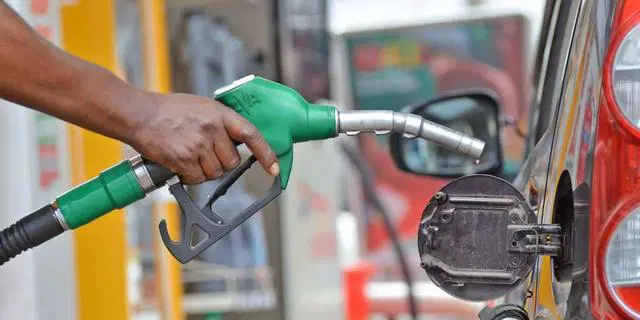
For ordinary people, the impact is direct and immediate. US gasoline prices have risen steadily for three consecutive weeks. Shipping costs are spiking as vessels reroute around the Persian Gulf. Airline fuel surcharges are being reimposed. Grocery prices, already elevated from years of inflation, face further upward pressure as transportation costs climb.
The conflict began on February 28 with joint US-Israeli airstrikes targeting Iranian leadership and military infrastructure, including a decapitation strike that killed Supreme Leader Ali Khamenei. Since then, Iran has launched retaliatory strikes across the region, Israel has killed Iran’s intelligence minister in an overnight strike on Tehran, and the United Nations has warned that 45 million people are at risk of acute hunger due to the war’s economic disruption.
With Israel announcing plans for at least three more weeks of operations and no credible ceasefire talks on the horizon, analysts warn that the worst may be yet to come. The question is no longer whether this conflict will reshape the global economy. It already has. The question now is how deep the damage will go.