

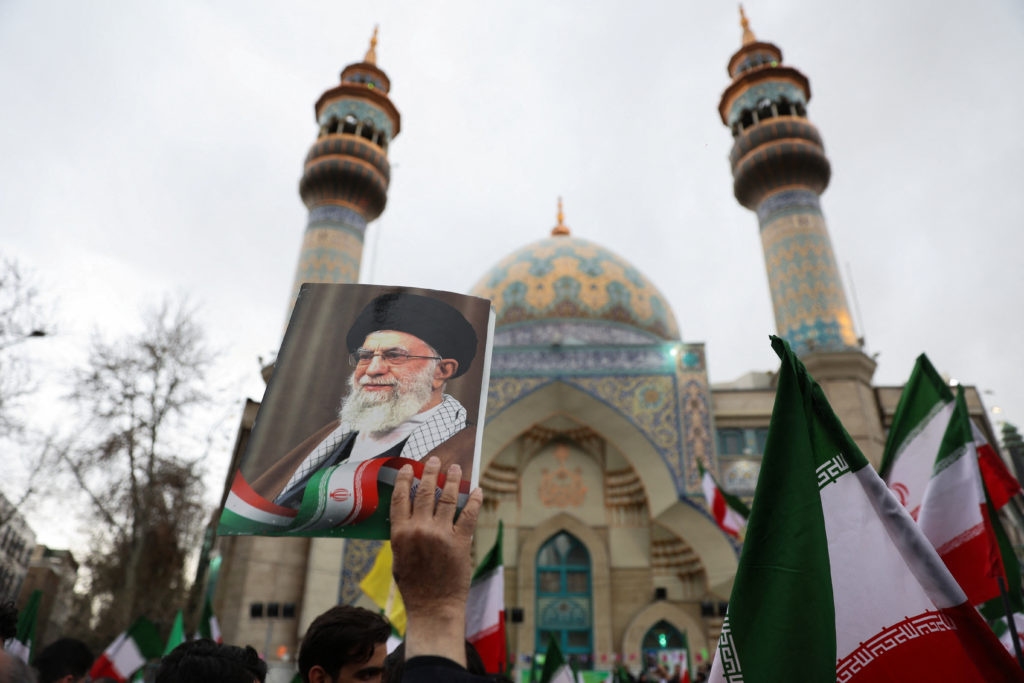
For decades, the conflict between Iran, Israel, and the United States was fought in shadows — through proxy militias, cyberattacks, assassinations, and nuclear brinkmanship. That era ended on February 28, 2026, when the United States and Israel launched a full-scale joint military operation against the Islamic Republic of Iran, a strike many analysts had feared and a few had predicted.
But to understand how we got here, the story begins much earlier.
Decades of Escalation: Key Events
1979 — Iran’s Islamic Revolution transforms a U.S. ally into its most vocal adversary. The 444-day American hostage crisis poisons relations for a generation.
2015 — The landmark JCPOA (Iran Nuclear Deal) is signed, temporarily restraining Iran’s uranium enrichment program in exchange for sanctions relief. President Obama calls it “diplomacy over war.”
2018 — President Trump withdraws the U.S. from the JCPOA, reimposing maximum pressure sanctions. Iran gradually begins exceeding uranium enrichment limits.
January 2020 — The U.S. assassinates General Qasem Soleimani, Iran’s most powerful military commander, in a drone strike at Baghdad airport. Iran retaliates with ballistic missile strikes on U.S. bases in Iraq, injuring over 100 American troops.
October 2023 — The Hamas attacks on Israel kill approximately 1,200 Israelis and trigger Israel’s ground invasion of Gaza. Iran-backed Hezbollah opens a northern front. The Middle East is set alight.
April & October 2024 — Iran launches direct missile and drone attacks on Israel for the first time in history — over 300 projectiles in April, followed by a larger barrage in October. Israel retaliates with airstrikes inside Iranian territory.
June 2025 — The “Twelve-Day War” — Israel launches a major unilateral strike campaign against Iran’s nuclear sites, backed by U.S. intelligence. The operation partially degrades Iran’s enrichment capacity but fails to eliminate it. Both sides claim victory.
Late December 2025 – January 2026 — Massive anti-government protests erupt across Iran, spreading to over 100 cities — the largest uprising since the 1979 revolution. Driven by economic collapse, a cratered rial, and soaring inflation, demonstrators call for regime change. The government responds with brutal crackdowns. Estimates of those killed in the protests range widely: Iranian authorities reported 3,117 deaths, while the U.S.-based Human Rights Activists News Agency placed the figure at 7,000, and President Trump publicly cited 32,000 — a figure not independently verified.
The Diplomatic Last Chance — And Its Collapse
From January to late February 2026, the United States and Iran held three rounds of nuclear negotiations in Geneva, brokered by Oman. The talks, led on the American side by Special Envoy Steve Witkoff, were described by participants as the “most intense” since the original JCPOA negotiations.
They collapsed.
The two sides remained fundamentally divided:
- The U.S. demanded Iran fully dismantle its nuclear infrastructure, limit ballistic missiles, and end support for regional armed groups like Hezbollah and Hamas.
- Iran insisted on its right to enrich uranium and refused to discuss missiles or proxies.
On February 27, negotiations ended without a deal. On February 28, the bombs fell.
Operation Roaring Lion / Operation Epic Fury: The Strike
On the morning of February 28, 2026, Israel and the United States launched simultaneous coordinated strikes across Iran under dual names: “Operation Roaring Lion” (Israel) and “Operation Epic Fury” (U.S.). President Trump framed the operation’s objectives plainly: eliminate Iran’s nuclear and missile programs, destroy its naval capability, and change the country’s leadership.
Within 48 hours:
- Israel’s Air Force dropped more than 1,200 munitions across 24 of Iran’s 31 provinces.
- U.S. Central Command confirmed it had struck over 1,000 targets in two days, including ships, submarines, missile sites, IRGC command centers, and communications infrastructure.
- CIA-guided strikes targeted senior leadership — Supreme Leader Ayatollah Ali Khamenei, 86, who had ruled Iran since 1989, was confirmed killed in strikes on his office in Tehran. Iranian state media announced 40 days of national mourning and a 7-day national holiday.
- Approximately 40 senior Iranian officials were killed in total, according to CBS News.
Iran Strikes Back
Tehran’s retaliation was swift and wide-ranging. On the morning of March 1, 2026, Iran’s IRGC announced it had attacked 27 U.S. military bases across the Middle East and Israeli military facilities. Iranian missiles and drones were launched toward Israel, UAE, Qatar, Kuwait, Bahrain, Jordan, and Saudi Arabia simultaneously — a deliberate show of regional reach.
Iran also announced it was closing the Strait of Hormuz, through which approximately 20% of the world’s oil supply passes — a move with potentially catastrophic implications for global energy markets.
Where Things Stand Right Now: March 2, 2026
The conflict is now into its third day with no signs of an immediate ceasefire.
- U.S. and Israeli strikes on Iran continue, with Trump stating operations will not stop until “all objectives are met.”
- Iran is threatening a “biggest wave yet” of attacks on Israeli and U.S. targets.
- Hezbollah’s role remains a critical wildcard — whether it enters the conflict at Iran’s request could dramatically escalate casualties in Israel’s north.
- The UN Secretary-General has condemned the attacks, calling them a threat to international peace. The EU has urged restraint. NATO has raised missile defense vigilance across member states.
- Global oil prices have spiked on news of Hormuz closure threats. Financial markets are in turmoil.
Retired General Frank McKenzie warned: “The American people should be prepared for several more days of exchanges of long-range rockets.”