

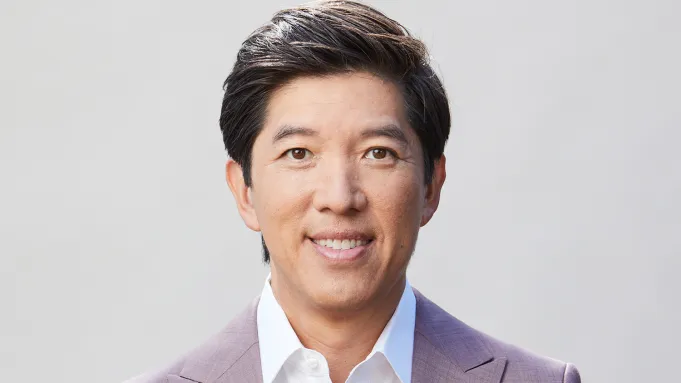
The streamer’s film chief departs amid a sweeping executive reshuffle, triggering fresh questions about Netflix’s movie strategy and the direction of its $17 billion content machine.
Dan Lin, the man Netflix hired less than two years ago to overhaul its film division, is out.
News of his departure broke this morning and immediately ricocheted through Hollywood,
where executives, agents and talent reps had spent much of the past 18 months adjusting to
his leaner, cheaper, star-focused film doctrine.
Lin arrived at Netflix in early 2024 with a mandate to fix a film slate that had become
infamous for burning cash on bloated star vehicles that landed with a thud on the platform.
His response was blunt: smaller budgets, fewer vanity projects, tighter financial discipline,
and a sharper focus on movies audiences would actually finish.
That shift did not win him universal love. Agents complained quietly about tougher deal
terms. Producers grumbled about tighter approvals. Some long-standing Netflix talent
relationships cooled. But financially, the direction of travel aligned with what Wall Street has
been demanding of the streamer: profitable growth, not prestige at any price.
The departure is part of a wider reshuffle at Netflix, with multiple executive and staffing
changes announced in the past 24 hours. Industry outlets are describing it as one of the most
significant internal shake-ups the company has seen since the content-spending reset of
2022–2023.
The timing is loaded. Netflix is heading into a critical year of competitive pressure —
Disney+ consolidating with Hulu, Max retooling under Warner Bros. Discovery’s
reorganisation, Paramount newly recombined, and Amazon-MGM continuing to spend
aggressively on theatrical. Films, long the laggard of Netflix’s content portfolio, were
supposed to be where Lin finally delivered a repeatable hit factory.
What happens next is the question Hollywood is now asking. Does Netflix double down on
Lin’s cost-disciplined approach under new leadership? Does it swing back toward big-ticket
star packages that generate marketing heat even when they underperform? Or does it try to
split the difference — fewer movies, bigger swings, and tighter budget guardrails on
everything else?
The reaction in the agent community has been swift and nervous. Several large packaging
deals currently in late-stage negotiation are reportedly on pause while the agencies take stock
of who, if anyone, now has final say on green-lighting film projects at the streamer. Expect at
least a short-term chill on new deal activity.
There is also a broader context here. A coalition of US producers and agencies has been
pushing for new rules curbing streamer ownership of content, arguing that the current
economics strangle independent production. Lin’s exit — and the broader uncertainty at
Netflix — hands that coalition a timely talking point: if even the streamer with the clearest
film strategy can’t keep its leadership stable, the system itself may need rebalancing.