
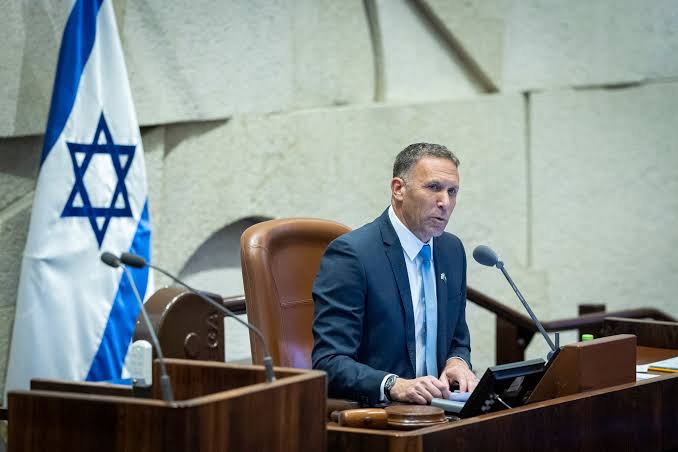
Israel’s political map shifted overnight. In an early-morning plenum vote that stretched past
midnight in Jerusalem, the Knesset elected Matan Kahana as its new speaker by 66 votes to
52, pushing Likud’s Amir Ohana out of the chair and handing the opposition-led change bloc
its first concrete win since the new parliament opened.
The result landed just hours ago and is already rippling through Israeli politics. Caretaker
Prime Minister Benjamin Netanyahu had spent the previous 48 hours trying to peel Kahana
away from the bloc with a last-minute offer tied to coalition conditions, including a bar on
Arab lawmakers holding deputy posts. Kahana rejected the deal on Monday. By Wednesday
morning, he had the gavel.
Kahana, a former Religious Zionism MK who broke with the right over the judicial overhaul,
was nominated by Gadi Eisenkot’s Yashar party and backed by the full change bloc. His
election is being read in Tel Aviv as a bellwether for whether Eisenkot can translate
parliamentary arithmetic into a functioning alternative government before the 2027
election cycle begins in earnest.
For Netanyahu, losing the speaker’s chair is more than symbolic. The speaker controls
which bills reach the plenum, which emergency motions are heard, and how quickly noconfidence votes can be scheduled. With the Gaza ceasefire teetering and US-Iran tensions
spiking across the Gulf this week, the speakership carries real weight over which security
measures move and which are buried in committee.
Kahana used his acceptance speech to call for a parliament that serves ‘all of Israel’s
citizens, not just the coalition of the moment.’ He pledged to restore what he called the
‘basic respect’ of the chamber after a year of shouting matches, walkouts and Knesset Guard
removals that defined Ohana’s tenure.
Likud reacted furiously. Within the hour, senior Likud MKs including Yariv Levin accused
the change bloc of ‘parliamentary piracy’ and vowed procedural warfare in every
committee. Finance Minister Bezalel Smotrich called the vote ‘the beginning of the end of
this Knesset.’ On the other side, Benny Gantz told reporters outside the chamber that the
vote proved ‘Israel still has a functioning democracy, even when the prime minister doesn’t
want one.
The timing matters abroad too. Washington has been pressing for a stabilised Israeli
political environment as it tries to hold the fraying Gaza ceasefire together and manage a
dangerous new escalation cycle with Iran and the Houthis. A US official speaking on
background said the administration was ‘watching Jerusalem closely’ and hoped the new
speaker would help clear space for ‘serious decisions on the day after.’
There are also domestic consequences within hours. A backlog of bills that Ohana had sat
on, including a controversial draft law on haredi conscription and a judicial-reform rollback,
can now be scheduled. Kahana has not committed to a timeline, but allies say the
conscription bill will reach the floor before the winter recess.
What is less clear is whether 66 votes can hold. The change bloc is a fragile coalition of
centrists, soft-right defectors, Arab lawmakers and left-wing parties with little in common
beyond a desire to end the Netanyahu era. The speaker’s vote was the easy part. A noconfidence vote, if and when it comes, will test whether that 66 is a ceiling or a floor.
For now, though, the message out of Jerusalem is unmistakable. The man Netanyahu could
not buy is sitting in the speaker’s chair, and the clock on this government just got louder.