

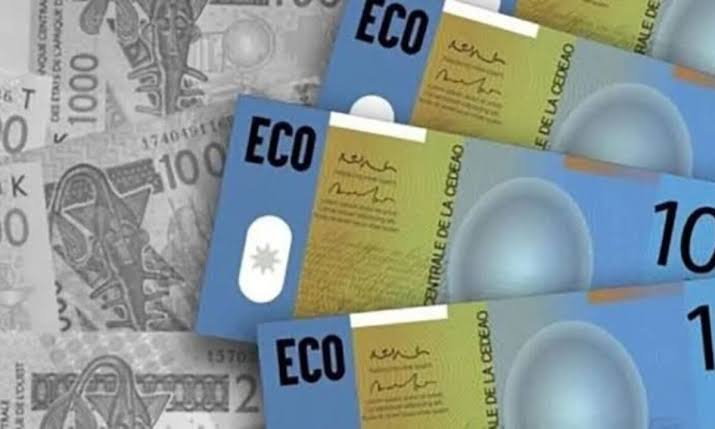
Guinea has become the first member of the Economic Community of West African States (ECOWAS) to formally opt out of the bloc’s planned ECO single currency, dealing a fresh setback to one of West Africa’s most ambitious economic integration projects.
The announcement was made by Guinean authorities following consultations on the country’s long-term monetary policy, with officials saying Conakry would instead retain the Guinean franc and pursue an independent monetary framework tailored to its domestic economic priorities.
Government officials said the decision was driven by concerns over preserving monetary sovereignty, maintaining control of exchange rate policy and ensuring that Guinea’s economic circumstances are adequately reflected in future policy decisions.
The move comes as ECOWAS continues efforts to launch the ECO, a regional currency intended to deepen economic integration, facilitate cross-border trade and reduce transaction costs among member states. The project has faced repeated delays over the years as countries struggled to meet convergence criteria relating to inflation, fiscal deficits, public debt and foreign exchange reserves.
Guinea’s withdrawal marks the first formal decision by an ECOWAS member to decline participation in the proposed currency union, raising fresh questions about the timetable and political consensus needed to bring the ECO into operation.
Economists say the decision could encourage renewed debate within the bloc, as several member states continue to face macroeconomic challenges that have complicated preparations for monetary union.
Despite opting out of the common currency, Guinea said it remains committed to ECOWAS and will continue participating in regional initiatives aimed at promoting trade, infrastructure development, free movement of people and economic cooperation.
ECOWAS officials have not indicated whether Guinea’s decision will affect the bloc’s overall timetable for introducing the ECO, maintaining that work on monetary integration will continue with participating member states.
The ECO has long been viewed as a flagship project for West African integration, but its implementation has been repeatedly postponed because of economic disparities among member countries and disagreements over the institutional framework governing the proposed currency.
Guinea’s decision highlights the continuing tension between regional integration and national economic priorities, underscoring the challenges ECOWAS faces in achieving a single monetary union across one of Africa’s most diverse economic regions.