
Beijing announces sweeping trade initiative to strengthen continental partnerships and counter Western trade wars
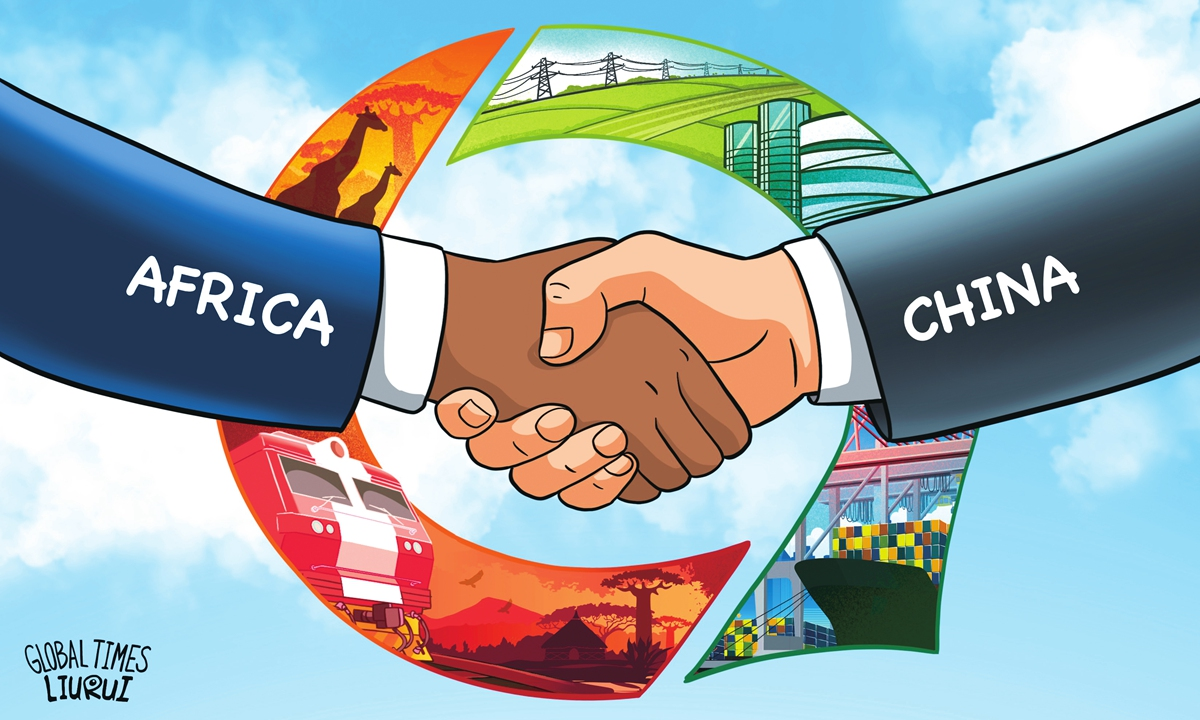
Chinese President Xi Jinping announced that China will eliminate trade tariffs on imports from all African countries beginning May 1, 2026, marking a significant expansion of Beijing’s preferential trade framework. The announcement came during the annual African Union summit in Ethiopia on Saturday, signaling China’s deepening commitment to the continent amid shifting global trade dynamics.
The Policy: Nearly Universal Tariff Elimination
China will implement zero-tariff measures for 53 African countries with which it has diplomatic relations, starting May 1, 2026. This represents a dramatic expansion from the current arrangement, where China already has a zero-tariff policy for imports from 33 African countries. The new policy will create a unified tariff-free zone covering virtually the entire continent.
However, there is one notable exception: the zero levies will apply to all African countries except Eswatini, which maintains diplomatic relations with Taiwan. This exclusion reflects China’s long-standing political position on the island nation. China claims the democratic island as its own and does not rule out using force to take it.
The initiative extends beyond simple tariff elimination. Beyond tariff removal, China will also push for the negotiation and signing of new joint economic partnership agreements and widen market access for African exports. Additionally, authorities plan to enhance facilitation mechanisms, including an upgraded “green channel” system aimed at speeding up customs clearance and reducing trade barriers.
Strategic Context: China’s Africa Play
The timing of this announcement is strategic. China is Africa’s largest trading partner and a key backer of major infrastructure projects in the region through its vast “Belt and Road” initiative. China’s trade with Africa reached $222 billion in early 2025, though the continent currently experiences a significant trade deficit due to its reliance on exporting raw materials.
The new tariff policy aims to address this imbalance by creating stronger incentives for African exports. The move comes at a critical moment in global trade relations, as many African nations are reassessing their economic partnerships.
Contrasting with Western Trade Protectionism
China’s move stands in sharp contrast to rising protectionist measures elsewhere. Many African countries are increasingly looking to China and other trading partners since US President Donald Trump imposed steep tariffs worldwide last year.
The move comes after the United States extended the African Growth and Opportunity Act (AGOA), but the zero-tariff policy appears far more ambitious. By eliminating barriers entirely, China is positioning itself as a champion of African trade at a time when traditional Western partners are erecting economic walls.
The African Response
Xi said the zero-tariff deal “will undoubtedly provide new opportunities for African development,” announcing the date as leaders across the continent gathered in Ethiopia for the annual African Union summit.
The announcement has been welcomed across the continent, particularly by nations seeking to diversify their export markets and reduce reliance on traditional Western trade partnerships. For many African economies struggling with trade deficits, access to China’s vast consumer market represents a significant opportunity.
As the May 1 implementation date approaches, governments and businesses across Africa are preparing to capitalize on the new market access. The policy signals Beijing’s determination to strengthen economic ties with Africa during a period of global trade turbulence, even as geopolitical tensions with Washington intensify.
For African exporters, the agreement could transform access to one of the world’s largest consumer markets. For China, it represents an investment in long-term strategic partnerships and economic influence across a continent of 1.4 billion people—reinforcing Beijing’s vision of a multipolar world economy where China plays a central role.