
The ripple effects of the U.S.-Iran war are being felt acutely across Africa, where rising oil prices and disrupted shipping routes threaten to worsen cost-of-living pressures on a continent already grappling with inflation and currency instability. As one AllAfrica headline put it succinctly: when Tehran burns, Africa pays.
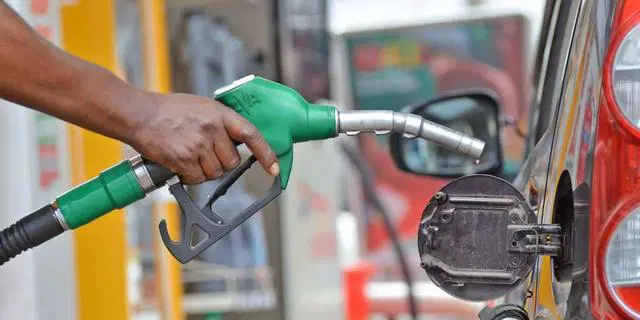
Nigeria, Africa’s largest economy and a major oil producer, finds itself in a paradoxical position. While higher global crude prices could boost government revenue from its 1.46 million barrels per day production, the Petroleum Products Retail Outlets Owners Association of Nigeria (PETROAN) has warned that the Middle East crisis could disrupt the domestic fuel market and push pump prices higher. Nigeria still imports a significant share of its refined petroleum products, and global shipping disruptions threaten to increase the cost and delay delivery of those imports.
The naira experienced controlled volatility against the dollar on Wednesday, trading around 1,377 per dollar in the official window. The Central Bank of Nigeria’s closing rate near 1,384.29 represents a subtle depreciation from the February average of 1,364.74. Market analysts expect the currency to trade between 1,375 and 1,385 for the remainder of the week. On a positive note, Nigeria’s net external reserves have hit a four-year high at $34.80 billion, providing some buffer against external shocks.
In a significant political development, President Bola Tinubu nominated Taiwo Oyedele, previously the chairman of the Presidential Fiscal Policy and Tax Reforms Committee, as the new Minister of State for Finance, replacing Dr. Doris Uzoka-Anite. The appointment signals continuity in Tinubu’s economic reform agenda. Separately, Nigeria’s VAT earnings reached a record 1.08 trillion naira in January under a new VAT sharing formula, significantly boosting state and local government revenue.
Nigeria also signed a $1.3 billion investment deal with the Africa Finance Corporation to build an alumina refinery and fund nationwide mineral exploration – one of the country’s biggest private-sector mining deals. The agreement covers refinery construction, a mineral mapping programme, and the creation of an investment vehicle to fast-track exploration activities.
South Africa faces its own challenges from the crisis. The outlook for interest rates has become more uncertain as the Middle East conflict fuels volatility in oil prices, the rand, and global financial markets. Market pricing now points to some possibility of a rate hike at the South African Reserve Bank’s March 26 meeting – a sharp reversal from strong expectations of a cut just days ago. Fuel prices in South Africa increased effective March 4, with petrol rising 20 cents per litre and illuminating paraffin jumping 44 cents per litre at wholesale.
The ANC condemned the U.S.-Israeli strikes, and South African citizens have been stranded across the Middle East as airspace closures disrupt travel. South Africa’s diplomatic ties with Iran and its BRICS solidarity are under scrutiny as the wider war reshuffles Red Sea shipping dynamics and African supply chains.
Egypt’s economy is also showing strain, with the S&P Global Egypt PMI falling to 48.9 in February from 49.8 in January, marking the second consecutive month of contraction and the fastest deterioration since September 2025.