

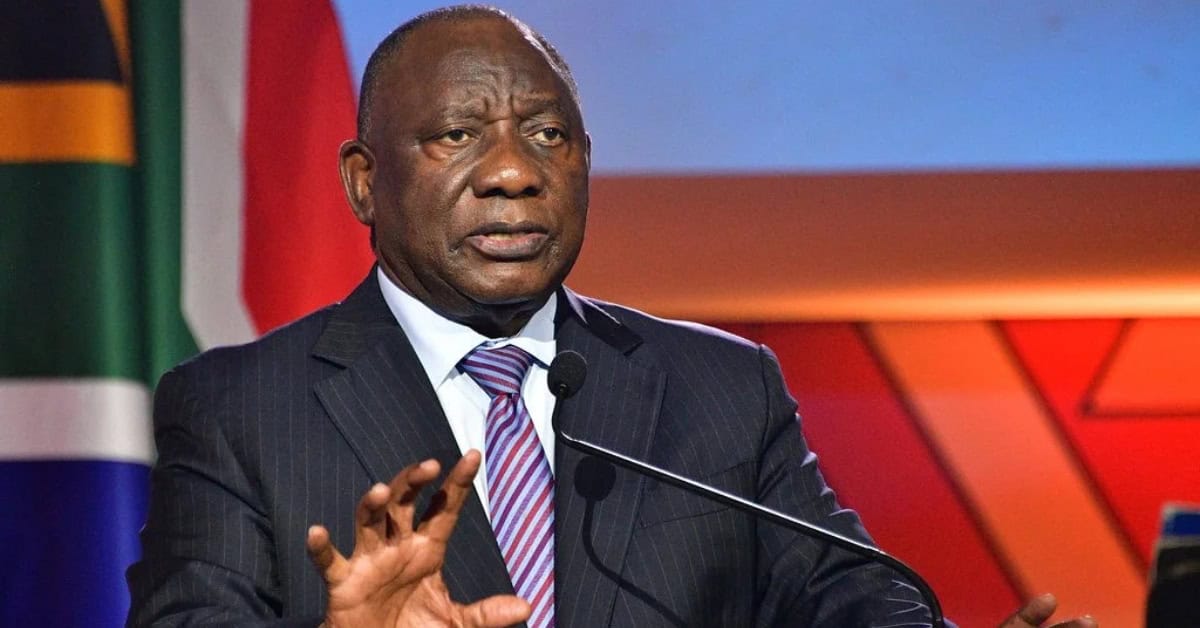
South African President Cyril Ramaphosa has appealed for calm and restraint as the self-imposed 30 June deadline issued by anti-migrant groups came into effect, amid heightened security and concerns over possible unrest in parts of the country.
In a statement, Ramaphosa reaffirmed that South Africa is governed by the rule of law and warned that no individual or organization has the authority to intimidate, threaten, or forcibly remove foreign nationals from their homes or businesses. He urged citizens to reject violence and allow law enforcement agencies to carry out their duties.
The deadline, publicized by anti-migrant groups demanding the removal of undocumented foreign nationals, has raised fears of xenophobic attacks similar to those that have occurred in South Africa in previous years. The issue has sparked widespread concern among migrant communities, civil society organizations, and foreign governments.
Police and other security agencies have increased patrols in major cities and identified hotspots to prevent violence and protect lives and property. Authorities say they are closely monitoring the situation and have warned that anyone found inciting violence, engaging in looting, or attacking individuals will face the full weight of the law.
Many foreign nationals, including Nigerians, Zimbabweans, Somalis, Ethiopians, and other African migrants, have remained on high alert, with some business owners temporarily closing their shops as a precaution. Community leaders have continued to call for peaceful coexistence and dialogue between residents and migrant communities.
While acknowledging public concerns over illegal immigration, unemployment, and pressure on public services, President Ramaphosa stressed that such challenges must be addressed through lawful immigration policies and effective governance rather than vigilante action. He reiterated the government’s commitment to enforcing immigration laws while protecting the constitutional rights of everyone living in the country.
Human rights organizations have welcomed the President’s intervention, urging authorities to ensure the safety of vulnerable communities and to take swift action against hate speech and acts of violence. They also called for long-term solutions that address both migration management and the socio-economic issues fueling public frustration.
Political analysts say the government’s handling of the situation will be closely watched both domestically and internationally. They note that maintaining public order while responding to legitimate concerns about immigration will be a delicate balancing act for the administration.
As the 30 June deadline unfolds, South Africans and the international community will be monitoring developments closely. For now, the government’s message remains clear: disputes over immigration must be resolved through legal and democratic processes, not through violence or intimidation.