

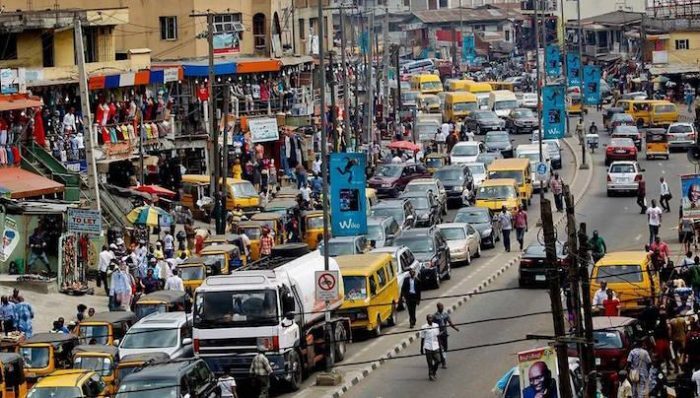
Three years into President Bola Ahmed Tinubu’s administration, Nigeria’s economy is showing signs of recovery, but many citizens continue to grapple with the harsh realities of rising living costs and economic hardship.
Since taking office in May 2023, Tinubu has pursued a series of far-reaching reforms aimed at stabilizing the economy, attracting investment, and reducing the burden of government subsidies. Key among these measures were the removal of fuel subsidies and the unification of the foreign exchange market, policies widely praised by international financial institutions but criticized by many Nigerians for their immediate impact on household incomes.
Economic indicators suggest that some of the reforms are beginning to yield results. Gross Domestic Product (GDP) growth has strengthened, foreign investment interest has improved, and government revenues have increased. The administration argues that these developments lay the foundation for long-term economic stability and sustainable growth.
However, the benefits have yet to be fully felt by ordinary Nigerians. The removal of fuel subsidies triggered sharp increases in transportation costs, while the depreciation of the naira pushed up the prices of imported goods and essential commodities. Food inflation remains a major concern, with many families struggling to cope with the rising cost of living.
Small business owners have also faced challenges, citing higher operating expenses, increased energy costs, and reduced consumer spending. While some sectors have benefited from policy reforms and improved investor confidence, many entrepreneurs say economic conditions remain difficult.
The government has introduced various social intervention programmes intended to cushion the impact of the reforms, including cash transfers, student support initiatives, and measures aimed at boosting local food production. Officials maintain that short-term sacrifices are necessary to achieve long-term economic transformation.
Supporters of the administration argue that previous governments delayed critical reforms, leaving Tinubu with difficult but unavoidable decisions. They contend that early signs of economic stabilization demonstrate that the policies are moving the country in the right direction.
Critics, however, insist that economic growth figures mean little if they do not translate into improved living standards. Opposition parties and labour groups have repeatedly called for stronger measures to address inflation, unemployment, and poverty.
As Nigeria marks three years of the Tinubu administration, the picture remains mixed. While macroeconomic indicators point to a recovering economy, millions of Nigerians continue to face financial pressure in their daily lives. The challenge for the government in the years ahead will be ensuring that economic gains translate into tangible improvements for citizens across the country.