
France pledges nuclear power, a Nairobi rail upgrade, and a “partnership of equals” —
just as Russia and China crowd in.
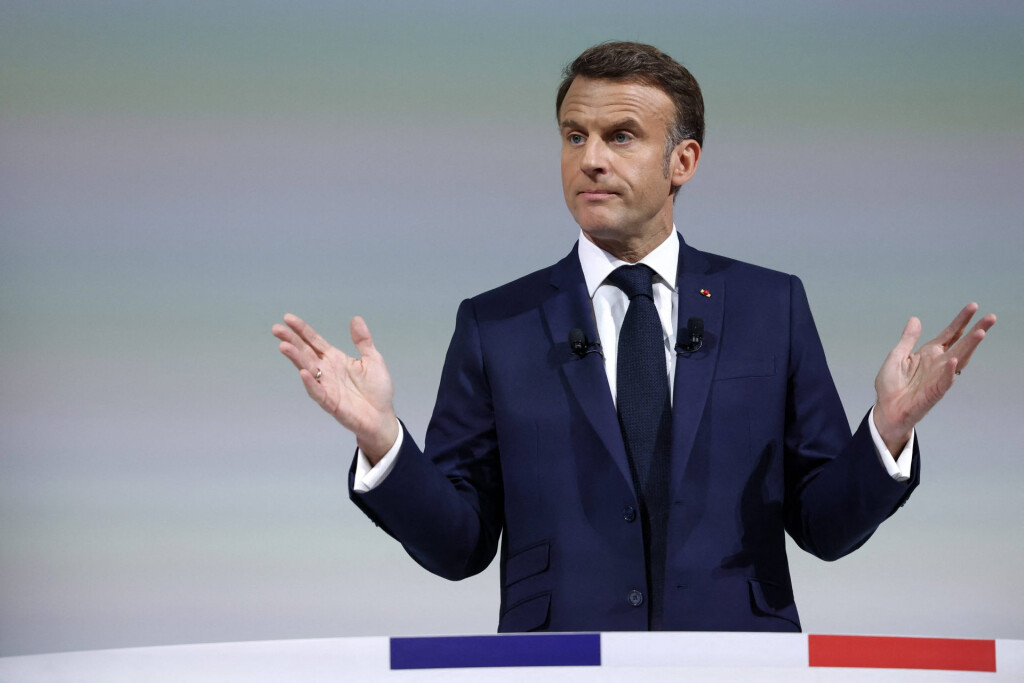
French President Emmanuel Macron and Kenyan President William Ruto formally opened the
Africa Forward Summit in Nairobi on Monday, hours after the two governments signed 11
bilateral agreements that French officials are calling the most ambitious France-Africa package
in a generation.
The summit, themed “Africa Forward: Africa-France Partnerships for Innovation and Growth,”
has drawn more than 4,000 delegates, around 2,000 private-sector leaders and roughly 30
heads of state to the Kenyatta International Convention Centre. It is the first time France is cochairing a continental summit with an English-speaking African nation — a deliberate signal that
Paris is trying to reset a relationship still shadowed by decades of post-colonial baggage.
The 11 deals span transport, energy, agriculture, digital, aviation and the blue economy. The
headline project is a French-backed rehabilitation and expansion of the KSh12.5 billion Nairobi
Commuter Rail, which Ruto has described as a central pillar of his urban mobility plan. Other
agreements lay the groundwork for a controversial nuclear energy plant, modernised port
logistics, and joint funding for sustainable agriculture and digital infrastructure.
“For too long this relationship has been described in terms of donors and recipients,” Macron
told delegates at the opening session, framing the summit as a “partnership of equals.” Ruto, for
his part, called the deals “a down payment on a different kind of Africa-Europe relationship,” one
less defined by aid and more by investment and trade.
The geopolitics, though, are unmistakable. France’s influence across West and Central Africa
has shrunk dramatically since 2022, with military exits from Mali, Burkina Faso, Niger and Chad
following waves of anti-French sentiment and a string of coups. Russia, through the rebranded
Africa Corps, has stepped into several of those vacuums, while China and Turkey have
aggressively expanded commercial and security footprints.
Nairobi was a calculated choice for the reset. Kenya is one of the continent’s most stable
democracies, hosts a fast-growing technology sector, and — crucially — has no colonial history
with France. By co-chairing in an English-speaking capital, Macron is signalling that the old
Françafrique playbook is being retired.
African leaders attending include Nigeria’s Bola Tinubu, who arrived in Nairobi shortly after
midnight, alongside heads of state from across the continent. Their presence underscores
another shift: many African capitals now expect to negotiate from a position of leverage, playing
competing powers off each other for better terms.
The business agenda is heavy. Delegates are spending the two days hashing out concrete
deals on critical minerals, green hydrogen, vaccine manufacturing, and digital trade rails. French
officials say at least €15 billion in private and public investment commitments are expected to be
announced by Tuesday evening.
Civil society groups, however, are watching the nuclear and rail deals warily. A coalition of
Kenyan NGOs raised concerns over the weekend about the procurement transparency of the
rail expansion, and environmental groups have already begun questioning the sustainability
metrics of the proposed nuclear project.
There is also a quieter diplomatic story playing out alongside the summit — a separate African
Union-backed campaign, championed by Togo, to lobby the United Nations General Assembly
in September to replace the Mercator map projection with one that more accurately reflects
Africa’s actual size. The push, approved by the AU in April, has gained traction across
delegations in Nairobi as a symbol of a continent demanding to be seen — literally — on its own
terms.
Whether the Nairobi summit becomes a genuine inflection point or another well-staged talking
shop will depend on what happens after the cameras leave. For now, France has delivered the
loudest signal yet that it intends to compete — and Africa’s leaders are making clear that the
price of partnership has gone up.