
A nationwide protest demanding the removal of all foreign nationals begins today amid
UN condemnation and a deepening diplomatic crisis across the continent.
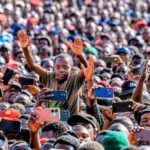
South Africa woke up to fear on Monday morning. A nationwide shutdown organized by
anti-immigrant groups is underway, with mass demonstrations planned across
Johannesburg, Pretoria, Cape Town, and Durban demanding the immediate removal of all
foreign nationals from the country.
The group behind the call, Concerned Citizens and Voters of SA, has mobilized under the
inflammatory slogan “Send the foreigners home.” Marches are scheduled to begin between
10 a.m. and 11 a.m., with a memorandum expected to be delivered to government officials
by noon. Authorities are bracing for major disruptions to transport systems, businesses, and
daily life across the country’s biggest cities.
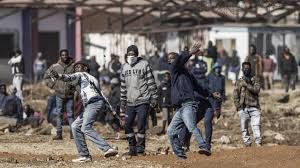
This is not a protest that materialized overnight. Since late March, South Africa has
experienced a mounting wave of xenophobic violence. Foreign-owned shops and
businesses have been looted and set ablaze. At least two Nigerian nationals and four
Ethiopian citizens have been killed in recent weeks. The violence has drawn international
condemnation and triggered a diplomatic firestorm that is reshaping relationships across the
African continent.
Two organizations have emerged at the forefront of the movement: March and March, led
by former radio personality Jacinta Ngobese-Zuma, and Operation Dudula, headed by
Zandile Dabula. Both groups reject the label of xenophobia, framing their campaign as a
demand for immigration law enforcement and mass deportation of undocumented migrants.
Critics say the distinction is meaningless when businesses are burning and people are
dying.
The international response has been sharp. United Nations Secretary-General António
Guterres formally condemned the attacks this week, calling on South African authorities to
protect all persons within the country’s borders regardless of nationality. Nigeria summoned
South Africa’s Acting High Commissioner for a high-level meeting scheduled for today in
Abuja, with officials set to discuss documented cases of mistreatment and violence against
Nigerian citizens and their businesses. Ghana took similar diplomatic action last week.
The economic backdrop fueling the rage is real. South Africa’s unemployment rate hovers
around 32 percent, one of the highest in the world. Millions of young South Africans are
without work, and frustration with the government’s inability to create jobs has been
redirected toward foreign nationals, who are accused of taking scarce employment
opportunities and undercutting local businesses.
But experts warn that the xenophobic framing is dangerously misleading. Foreign nationals
make up a relatively small percentage of South Africa’s labor force, and studies consistently
show that immigrants create jobs and contribute to economic growth. The real failures —
corruption, policy paralysis, crumbling infrastructure — lie squarely with governance.
Some analysts are drawing alarming parallels to July 2021, when widespread unrest
triggered by the arrest of former President Jacob Zuma spiraled into looting, arson, and
violence that killed over 350 people and caused billions of rand in damage. If today’s
shutdown escalates, the consequences could be similarly devastating.
One hundred and thirty Nigerians have already applied for voluntary evacuation, and that
number is expected to climb rapidly. Embassies across the continent are on high alert.
South Africa’s rainbow nation brand — already tarnished by years of periodic xenophobic
flare-ups — now faces its most serious test in decades.
The question facing President Cyril Ramaphosa’s government is stark: can South Africa
protect its residents, restore its international credibility, and address the legitimate economic
grievances of its citizens without descending into mob violence? The answer may begin to
emerge today.