
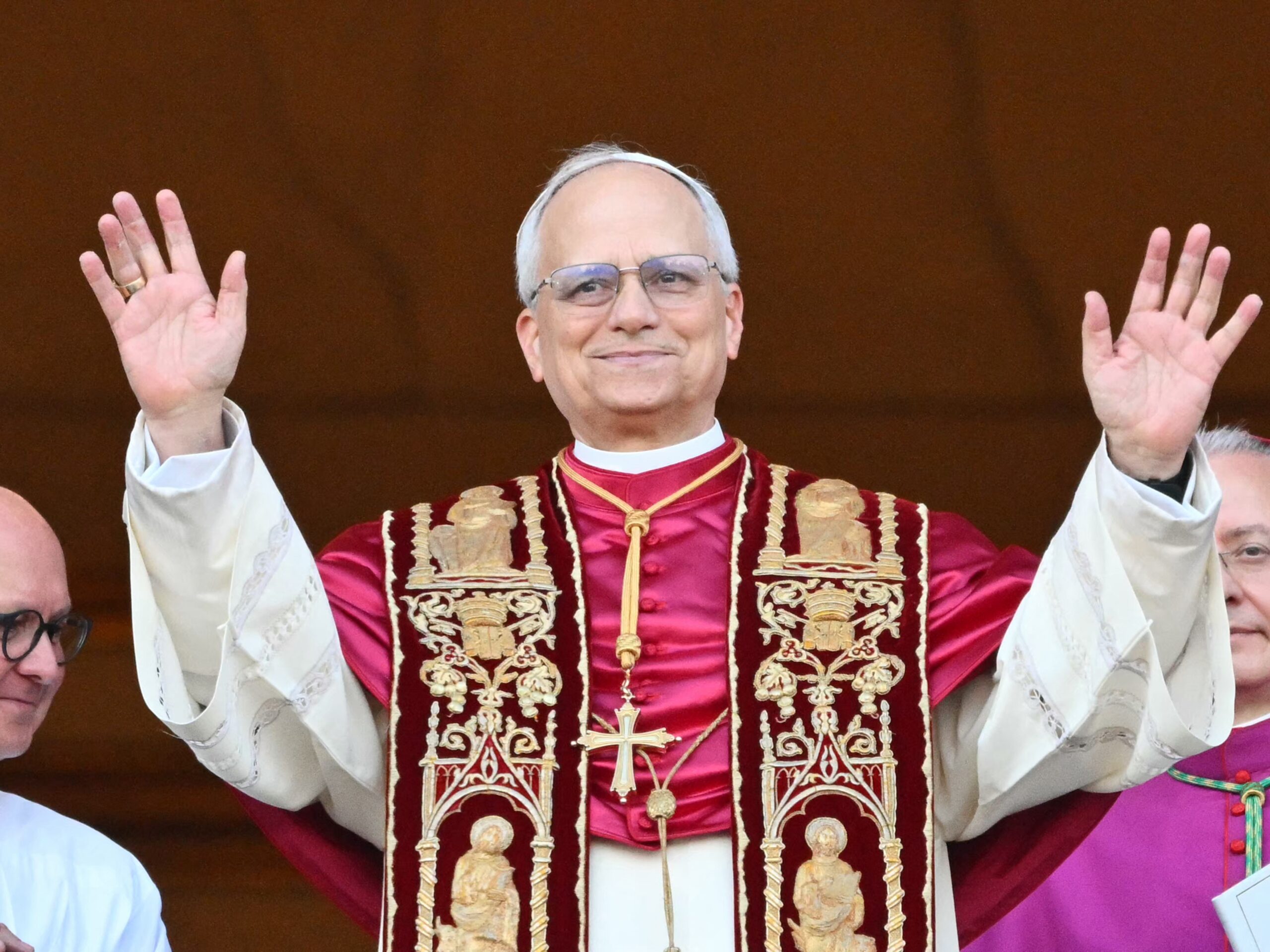
Pope Leo XIV took off from Rome this morning on the most ambitious papal Africa trip in a generation — an 11-day, four-country marathon that will take him across nearly 18,000 kilometers, 11 cities, and four languages.
His first stop: Algeria, making him the first pope in history to visit the country.
The Algeria leg is deeply personal. Pope Leo is an Augustinian, and he’s tracing the footsteps of St. Augustine of Hippo, the towering 5th-century theologian who was born, lived, and died in what is now Algeria. The Pope will visit Annaba, the city where Augustine served as bishop, and meet with an Augustinian community. He’ll also visit a monument to those who died in the Algerian War of Independence.
In a country where Islam is the state religion, the visit carries heavy interfaith significance. Peace, migration, the environment, young people, and family are the five themes guiding the entire journey.
From Algeria, the Pope heads to Cameroon, where 600,000 people are expected to attend a single Mass. He’s also expected to meet religious and traditional leaders in Bamenda, the epicenter of the country’s ongoing Anglophone crisis — a quiet but significant diplomatic gesture.
Angola is next, where the spiritual highlight will be a visit to the shrine of “Mama Muxima,” a pilgrimage site that draws over 2 million visitors a year. The trip wraps up in Equatorial Guinea, where nearly 90% of the population is Catholic. There, in a pointed move, the Pope plans to visit Bata Prison, a facility criticized internationally for its conditions.
The numbers behind this trip tell a bigger story. In 1910, Africa had fewer than 1 million Catholics. Today, there are roughly 288 million, about 20% of the global total and growing fast. Africa is where the future of the Catholic Church is being written, and Pope Leo clearly knows it.
This is his longest apostolic journey yet — six greetings, 10 addresses, eight homilies across 11 days. It’s being compared to the epic early tours of Pope John Paul II, and for good reason.