
Information Minister insists the country is showing resilience and progress, but a coalition of over 50 civil society organizations warns the government is ignoring a deepening crisis.
A public war of words between the Nigerian federal government and a powerful coalition of civil society organizations has laid bare the tensions at the heart of Africa’s most populous nation as it navigates economic reform, persistent insecurity, and growing public frustration.
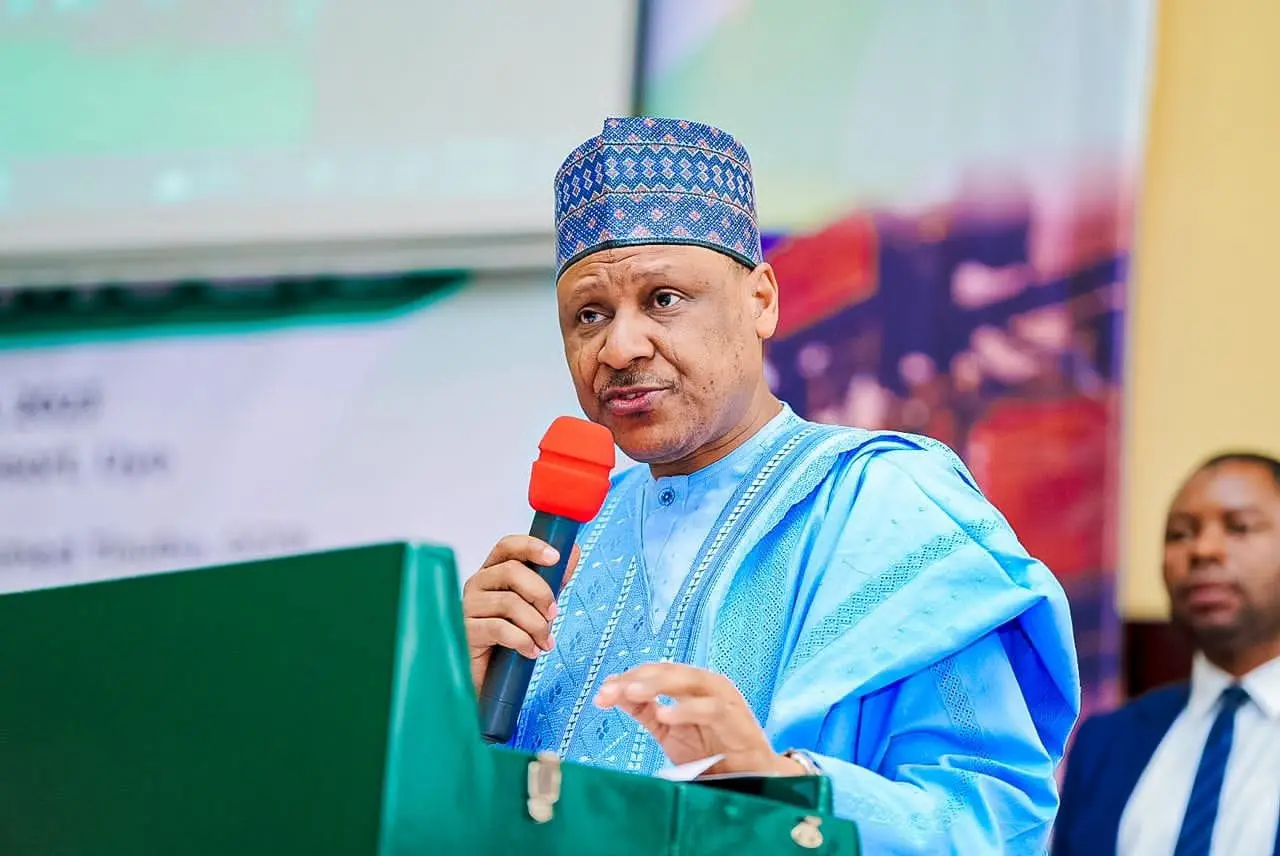
Speaking at the 81st General Assembly of the Broadcasting Organisations of Nigeria in Abuja, Information Minister Mohammed Idris delivered a forceful rebuttal to claims that Nigeria is teetering on the edge of collapse. His message was unequivocal: the country is not failing, and the narrative of decline is both inaccurate and dangerous.
The minister pointed to a string of economic indicators as evidence of progress. Nigeria’s foreign reserves have strengthened to 45.4 billion dollars. The Nigerian Stock Exchange delivered a robust 48.12 percent gain in 2025. Foreign direct investment surged to 720 million dollars in the third quarter of 2025, up from just 90 million dollars in the preceding quarter. And in a development the government considers a major validation, FTSE Russell recently restored Nigeria’s Frontier Market status, reflecting improved foreign exchange liquidity and enhanced market transparency.
But the coalition that triggered the minister’s response, comprising Amnesty International Nigeria, ActionAid Nigeria, SERAP, BudgIT Foundation, the Centre for Democracy and Development, Yiaga Africa, and more than 40 other organizations, paints a starkly different picture. They argue that while headline economic figures may look encouraging, the lived reality for ordinary Nigerians tells a different story.
The cost of living crisis remains the most immediate concern for most citizens. Despite government claims that inflation is being brought under control, food prices in Nigerian markets have continued to climb. Transportation costs have soared following fuel subsidy removal, and the naira’s volatility has eroded purchasing power for millions of families who depend on imported goods.
Insecurity compounds the economic pain. Large parts of the northwest and northeast remain under threat from armed groups, bandits, and terrorist networks. While the government has highlighted military operations against these threats, including coordinated strikes on terrorist targets in December 2025, many communities continue to live in fear. Kidnapping for ransom remains a daily reality in several states, affecting farmers, travelers, and students alike.
The civil society coalition’s warning was not merely rhetorical. They are calling for specific, urgent steps: transparent allocation of security spending, meaningful engagement with affected communities, accelerated judicial reforms, and an end to what they describe as the criminalization of dissent through the arrest and detention of protesters and critics.
The government’s response reflects a familiar tension in Nigerian politics: the gap between macroeconomic indicators and street-level reality. It is entirely possible for foreign reserves to strengthen and stock markets to rally while ordinary citizens struggle to afford basic necessities. The disconnect is not unique to Nigeria, but its scale and intensity make it a defining challenge for President Bola Tinubu’s administration.
Tinubu inherited an economy burdened by decades of fuel subsidies, a distorted exchange rate, and chronic underinvestment in infrastructure. His decision to remove the fuel subsidy and float the naira were widely praised by international economists and investors, but the short-term pain has been severe. The question now is whether the long-term gains promised by these reforms will materialize fast enough to prevent the social fabric from fraying further.
The FTSE Russell reclassification and growing FDI numbers suggest that international confidence in Nigeria is returning. But confidence from global investors means little to a market trader in Lagos struggling with rising costs, or a farmer in Zamfara afraid to tend their fields.
Nigeria’s government faces a communications challenge as much as a policy one. Dismissing legitimate concerns as mere narrative does little to build trust with a population that is feeling the pain of reform. Conversely, the civil society coalition risks undermining genuine progress by framing every challenge as evidence of imminent collapse.
The truth, as is often the case in Africa’s largest economy, lies somewhere in between. Nigeria is not collapsing, but neither is it thriving for the majority of its citizens. The path forward requires not just economic reform, but honest dialogue between a government confident in its direction and a civil society determined to hold it accountable. For now, the debate itself is a sign of democratic health. In a region where dissent is increasingly dangerous, Nigeria’s civil society continues to speak freely and loudly. That, perhaps, is the most important indicator of all.