

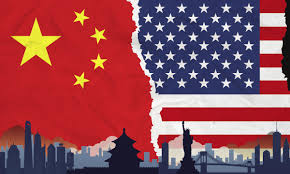
A new phase in the U.S.-China trade fight is taking shape after Beijing opened investigations into American trade practices, responding to fresh tariff moves from Washington. The development matters because it widens the dispute beyond headline tariff threats and into the machinery of trade law, where cases can last for months and spill into sectors far beyond manufacturing.
For businesses, the signal is clear: neither side is preparing to back down. China is framing the probes as a defense of domestic industry, while the Trump administration continues to argue that tougher trade tools are needed to protect U.S. jobs and strategic sectors. That means supply chains, already battered by war-related energy shocks, now face another layer of uncertainty.
Markets are likely to read this as a warning that the world’s two biggest economies are settling into a longer contest, not a short-lived standoff. Exporters, tech firms, and manufacturers will all be watching to see whether the investigations end in retaliation, negotiation, or another round of tariffs. For consumers, the biggest risk is familiar: when governments fight over trade, prices often move faster than diplomacy.