

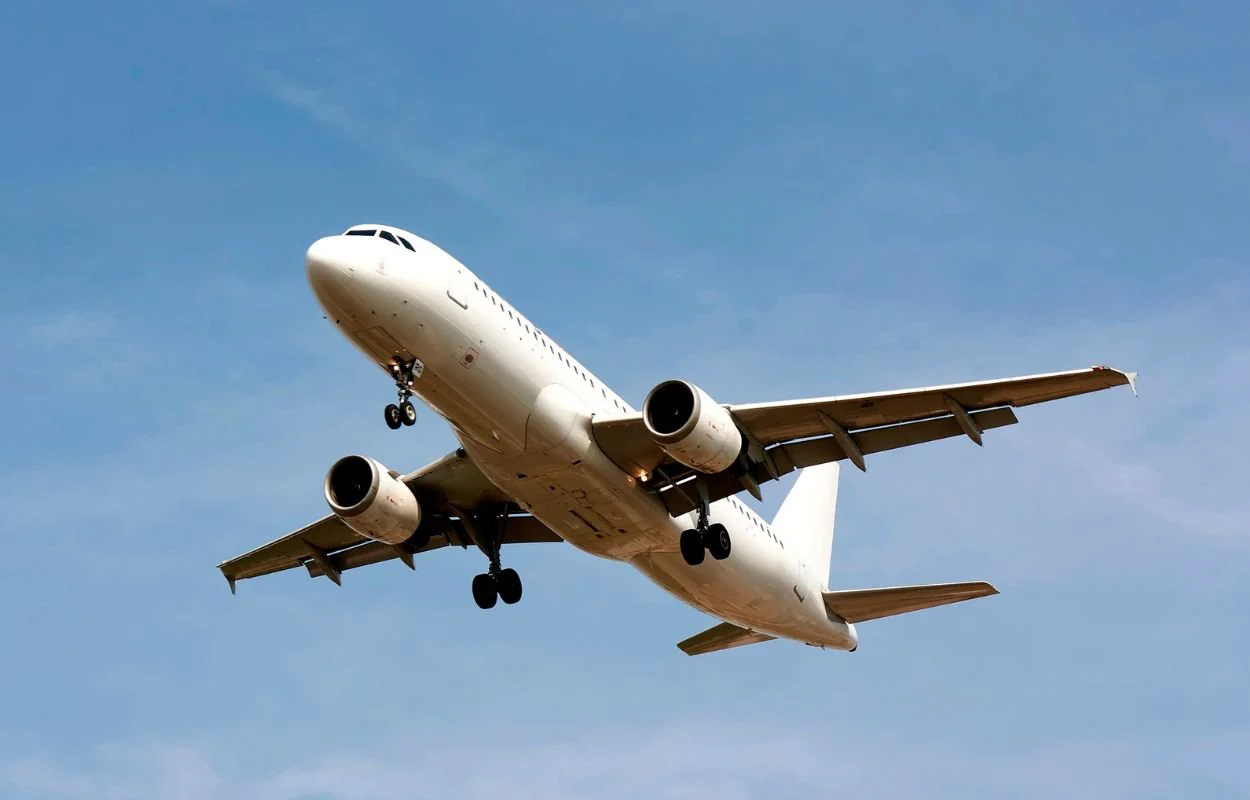
The crisis is a direct consequence of the ongoing US-Iran war. Before the conflict began in late February, aviation fuel was selling at between N900 and N995 per litre, depending on the airport. Today, that figure has jumped to between N2,500 and N2,700 per litre — a surge of more than 100% in less than a month. The underlying cause: crude oil prices have climbed from approximately $65-$69 per barrel to roughly $112 per barrel, as the Middle East conflict disrupts global supply chains.
For Nigerian carriers, the timing could not be worse. Aviation fuel already accounted for 30 to 35 percent of total airline operating costs under normal circumstances. With fuel now consuming as much as 45% of costs, operators say maintaining current fares has become economically unsustainable.
Most domestic airlines have held the line on ticket prices for now — with many economy fares still sitting around N195,000 for popular routes — but insiders say that cannot last. The Airline Operators of Nigeria (AON) issued a stark warning this week: if aviation fuel reaches N3,000 per litre, some airlines may be unable to continue operations altogether. A collapse of capacity would inevitably send fares soaring, potentially doubling prices and cutting off air travel for millions of Nigerians who depend on domestic flights for business, family, and connecting remote regions.
‘Airlines under pressure after jet fuel surges 100%’ is not just a headline — it is a structural crisis playing out in real time at check-in counters, boardrooms, and fuel depots from Lagos to Abuja to Port Harcourt.
The Nigerian government has remained largely silent on direct intervention measures, though there have been calls for emergency support including temporary fuel subsidies for aviation, emergency forex allocations for carriers to procure fuel at more manageable rates, and diplomatic engagement to accelerate peace talks in the Middle East.
This crisis sits within a broader economic pressure on Nigeria. The country’s reserves and the naira remain under strain, and the government has limited fiscal headroom for new spending interventions. Yet the stakes are high: domestic aviation connects Nigeria’s vast geography, supports hundreds of thousands of jobs both directly and indirectly, and underpins much of the country’s business activity.
Not all news from the Nigerian economy this week is grim. The government announced that NELFUND — the Nigerian Education Loan Fund — has disbursed over N206 billion in student loans to more than 1.16 million beneficiaries in public tertiary institutions. The scheme has quietly become one of the more tangible social interventions of the current administration.
Additionally, the European Union confirmed a EUR 731 million grant to support stability and Boko Haram reintegration efforts in the North East — a significant injection of support for one of Nigeria’s most economically fragile regions.
But for most Nigerians watching the aviation crisis unfold, the more immediate concern is straightforward: will they still be able to afford to fly home? The answer, for now, depends almost entirely on what happens thousands of miles away at a negotiating table in the Middle East.