

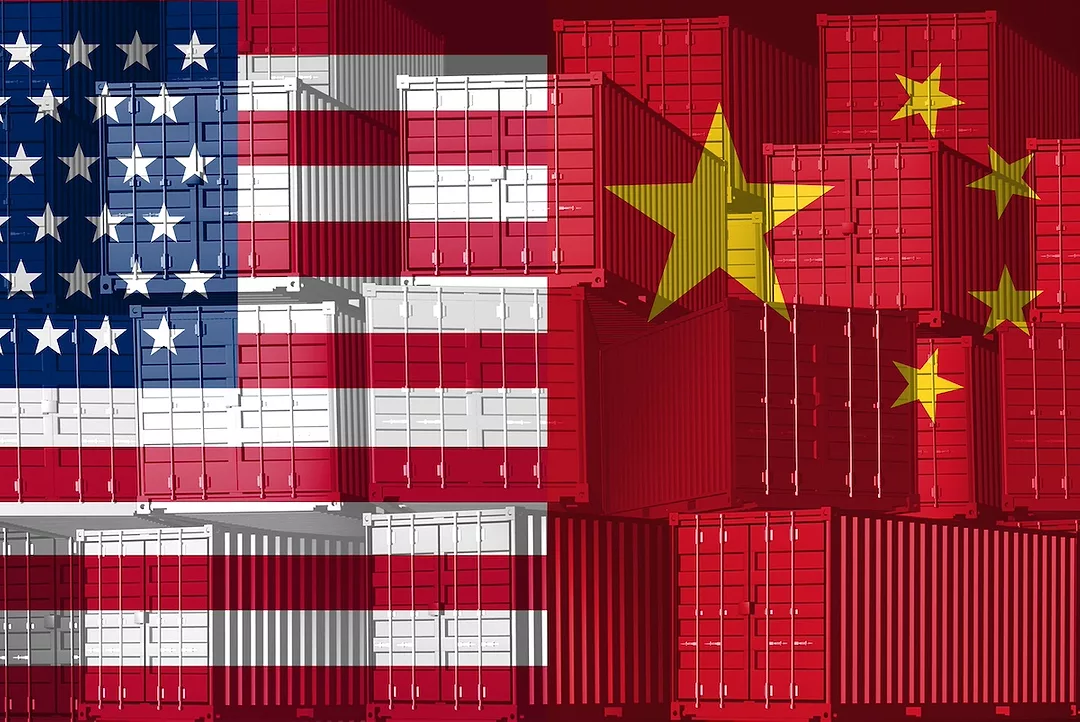
The trajectory of U.S.-China relations should become significantly clearer in 2026 as Presidents Donald Trump and Xi Jinping plan reciprocal state visits following the trade war truce reached in October 2025. However, analysts warn that despite planned summits, fundamental disagreements on technology, Taiwan, and strategic competition remain unresolved.
Trump and Xi are scheduled for as many as four summit meetings over the course of 2026. The consistent high-level engagement is designed to maintain diplomatic communication and prevent accidental escalation. However, the October tariff truce addressed only surface-level trade disputes and left deeper structural frictions untouched.
The two leaders bring fundamentally different worldviews to these negotiations. Trump views Beijing as a trading partner with which deal-making is possible, employing tactical threats to secure short-term advantages. Xi Jinping, by contrast, is convinced that Washington seeks to constrain China’s long-term rise and remains vigilant about American efforts to contain Chinese technological and military advancement.
The trade agreement did not address critical flashpoints including U.S. technology restrictions on semiconductor exports and American support for Taiwan. These represent existential concerns for Beijing—Taiwan’s political status and technological access directly relate to China’s security and development trajectory.
March 2026 marks a pivotal moment when the Chinese Communist Party will launch its 15th Five-Year Plan. Xi is expected to accelerate China’s push for technological and industrial self-reliance, deliberately shielding the country from U.S.-controlled chokepoints such as advanced semiconductors. This strategic pivot suggests Beijing is preparing for continued American pressure regardless of summit outcomes.
The Tariff Truce’s Fragility
October’s tariff agreement remains contingent and reversible. The Supreme Court faces decisions on the legality of Trump’s use of the International Emergency Economic Powers Act to impose tariffs. Even if these are overturned, alternative tariff mechanisms exist under U.S. trade law, meaning the administration has numerous pathways to reimpose duties.
Analysts suggest that 2026 will determine whether a major break in U.S. technology and trade policy toward China occurs, or if the currently sidelined hawkish consensus within the American establishment reasserts itself. The answer likely depends on domestic American politics and Taiwan-related developments.
The relationship between the world’s largest and second-largest economies remains the defining geopolitical issue of the era. Whether the U.S. and China can manage competition peacefully or whether strategic rivalry escalates into military confrontation affects every other global challenge from trade to climate to regional conflicts.