

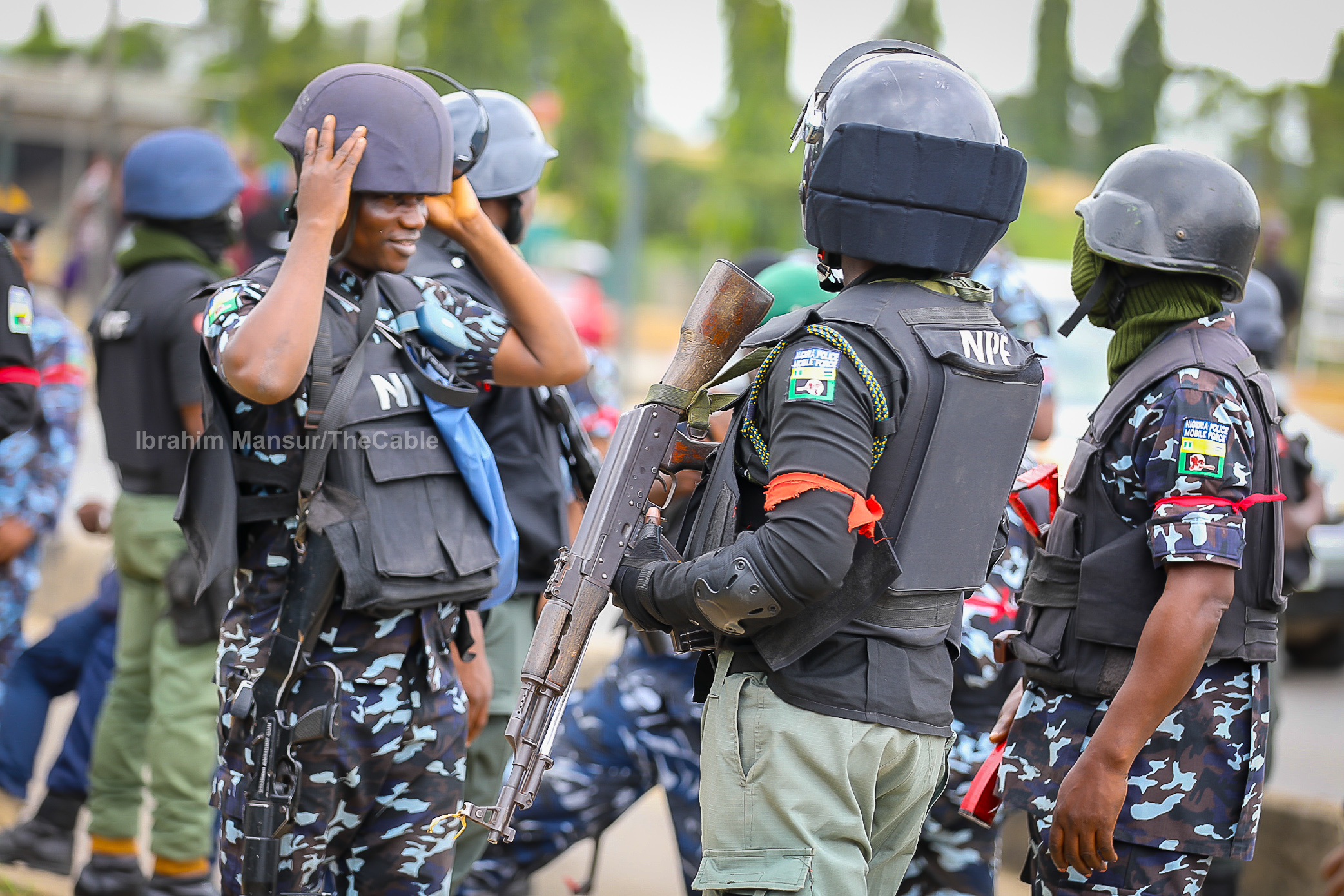
Nigeria faces an unprecedented crisis of violence that continues to spiral despite years of military operations and national police efforts. With armed bandits conducting mass kidnappings, militants threatening villages, and terrorist groups expanding southward, the federal government is now considering a drastic measure: introducing state police across all 36 states. The proposal signals how desperate the situation has become and raises difficult questions about whether a fragmented police force can succeed where a centralized one has failed.
The Scale of the Crisis
The statistics are devastating. Recent weeks have seen mass abductions occurring regularly. In January, armed bandits stormed churches in Kaduna State and kidnapped over 160 Christians in a single raid. Just days ago, gunmen in military uniforms attacked a bus in Benue, abducting 15 people and killing at least one. These are not isolated incidents but part of a relentless wave of violence that has made ordinary travel perilous and turned entire communities into refugees in their own country.
The violence extends beyond kidnapping. Armed bandits have conducted coordinated strikes on military bases and police stations. Women and girls face systematic sexual violence during attacks, with documented cases of forced marriages and pregnancies resulting from abductions. An estimated 8.7 million Nigerians currently need immediate humanitarian assistance due to the insecurity. In some states like Zamfara, 44,000 children have lost parents to banditry.
The problem has become so severe that security experts now warn of a structural shift. Insurgent groups linked to Al-Qaeda and Islamic State that were previously contained in the Sahel are now integrating with criminal networks in Nigeria proper. A new conflict front is consolidating across the Benin, Niger, and Nigeria borderlands, pushing violence southward toward previously stable regions like Togo and Ghana.
Why the National Police Have Failed
Nigeria’s national police force, numbering over 300,000 members, has been overwhelmed by the scale and sophistication of the threat. The centralized structure means decisions made in Abuja often take time to implement on the ground. Local police lack the autonomy to respond quickly to emerging threats, and the force is spread so thin that some regions barely have any police presence.
Compounding the problem is institutional weakness. Corruption within security agencies, limited equipment, poor intelligence networks, and inadequate training have left the force unable to prevent major attacks. In some cases, security operatives are accused of complicity with criminal groups. The federal government’s response has largely focused on military operations in specific hotspots, but these have not prevented the steady expansion of criminal networks.
The State Police Proposal
In response, President Tinubu’s government is considering introducing state police forces in all 36 states as a complementary layer to the national force. The logic is straightforward: state police would have local knowledge, could respond faster to threats, and would be closer to communities where attacks occur. They could potentially establish informant networks, understand local dynamics, and coordinate with community leaders more effectively than distant federal authorities.
However, the proposal remains controversial and faces significant hurdles. Nigeria tried state police before with mixed results. There are concerns about how states would fund them, what training standards they would meet, and whether local strongmen might weaponize them for political purposes. The governance structure required to prevent state police from becoming tools of state governors rather than genuine security agencies remains unclear.
Competing Visions and Regional Tensions
Adding complexity is the existing tension with regional security outfits like Amotekun, the vigilante security network in southwestern Nigeria. In early February, Osun State Governor Adeleke publicly appealed for police to unseal Amotekun offices that were closed after rogue personnel committed killings in September 2025. He argues that Amotekun officers, though controversial, have developed expertise in border security that the federal police lack.
This creates a paradox. States believe they need more security control to protect their people, yet the federal government worries about fragmentation of the security apparatus. The tension between local security needs and national coordination remains unresolved, with casualties mounting while bureaucratic debates continue.
The Urgent Calculus
For ordinary Nigerians, the conversation about state police is academic. What matters is that armed gangs continue taking what they want with impunity. Farmers cannot access their fields. Schoolchildren have been abducted in mass numbers. Travelers fear ambush on major highways. The existing security apparatus has failed by any measure.
Whether state police will succeed remains uncertain. What is clear is that the current approach has proven inadequate. With insurgents expanding their reach, criminal networks becoming more sophisticated, and communities increasingly self-reliant on vigilante forces, Nigeria’s fragile security situation could continue deteriorating even as the government debates restructuring.
The window for comprehensive reform may be closing. Each day of delay means more kidnappings, more deaths, and more communities turning to informal security arrangements that operate outside rule of law. The state police proposal, for all its complications, reflects the growing consensus that something fundamental must change.