

A dozen Western governments have taken a coordinated swing at Israel’s settlement economy —
announcing sweeping trade restrictions on goods produced in illegal Israeli settlements in the
occupied West Bank.
The joint statement, released Tuesday and expanded into national measures this morning, is signed
by the United Kingdom, France, Canada, Spain, Denmark, Finland, Ireland, Iceland, Norway, Poland,
Portugal, and Sweden. It is the most aligned Western economic action against the settlements in a
generation.
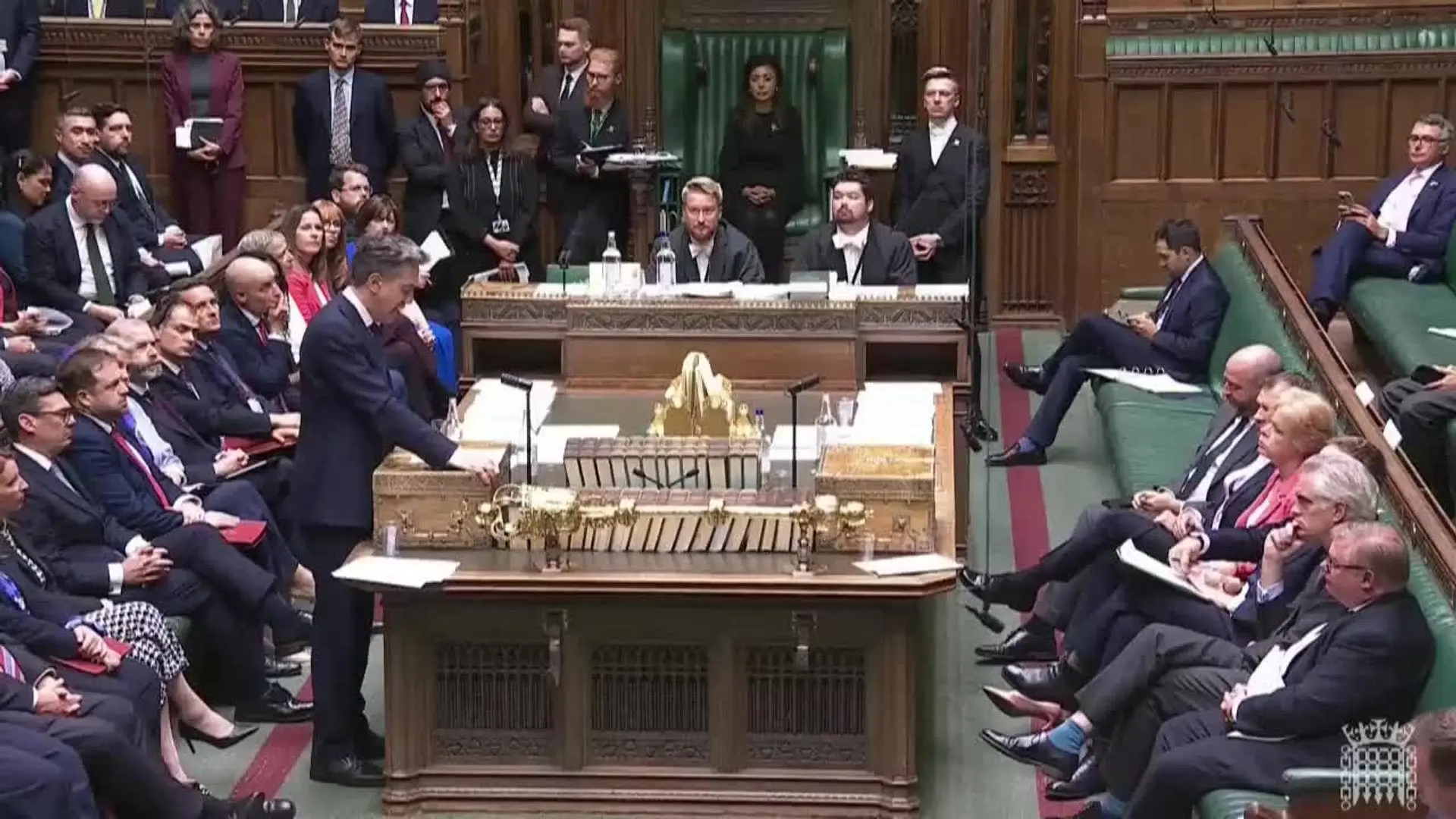
British Foreign Minister Ed Miliband did not soften his language. He accused “settler terrorists” of
carrying out “ethnic cleansing” in parts of the West Bank and confirmed the UK is imposing an
“import ban on goods from illegal settlements in the occupied territories” effective immediately.
French Foreign Minister Jean-Noël Barrot said Paris was moving because the West Bank was “on the
brink of explosion.” Officials in Ottawa, Madrid, and Oslo echoed that framing, calling settler violence
and settlement expansion “unprecedented.”
The joint text is blunt: “The Government of Israel’s actions in the West Bank are undermining the
possibility of a two-State solution.” That line — endorsed by G7 members alongside Nordic and
Iberian governments — signals a hardened Western consensus that quiet diplomacy has failed.
What actually changes on the ground? Goods produced in West Bank settlements — wine, dates,
cosmetics, agricultural produce, industrial components — will no longer clear customs in the 12
signatory countries under normal terms. Some governments are moving to outright import bans;
others are layering labelling rules, financial penalties, and export-credit blocks on companies
operating in the settlements.
For Israeli exporters, the immediate hit is limited: settlement products are a small slice of overall
Israeli trade. The bigger blow is political. Twelve governments that Israel counts among its closest
partners have publicly drawn a line between Israel proper and the settlements — the exact
separation Israeli governments have spent decades resisting The move also lands squarely inside Israel’s domestic politics. It comes with the UK warning that the
scope of its sanctions could widen — or narrow — depending on the policy of Israel’s next
government. That is a not-very-subtle nudge to voters and coalition negotiators.
The Palestinian Authority welcomed the announcement, calling it “long overdue accountability.”
Settler leaders in the West Bank dismissed the sanctions as “antisemitic capitulation” and vowed to
expand construction.
For African and Global South governments watching, the signal is significant: Western capitals are
increasingly willing to apply targeted economic pressure on Israel, breaking a longstanding taboo.
Expect a fresh round of debate at the UN General Assembly this month.
What to watch next: Germany, the Netherlands, and Italy — three notable absences from the list —
are under quiet pressure to sign on. If any of them move in the coming days, this stops being a
coalition of the willing and starts looking like EU policy.